Immediate procurement solutions engineered to withstand tropical humidity, heavy silt deposits, and seasonal dry spells.
An engineering perspective on transforming East Africa’s vast arable land through structural water control systems.
South Sudan contains one of the most resource-rich agricultural zones in Sub-Saharan Africa. The White Nile runs straight through its core, feeding the Sudd—one of the largest freshwater wetlands in the world. However, the nation suffers from a stark geographical and seasonal paradox: excessive, destructive flooding during the rainy season, followed by severe arid droughts that paralyze regional agriculture. Of the estimated 30 million hectares of arable land, less than 5% is actively cultivated, and only a minute fraction utilizes structured, industrial-grade irrigation.
Commercial farming enterprises in areas like Renk (Upper Nile State), Juba (Central Equatoria), and parts of Jonglei are recognizing that rain-fed agriculture is no longer viable for stable crop yields. Climate volatility has shortened the wet periods and extended the dry intervals. Consequently, the reliance on high-durability irrigation and watering systems is rising. The demand has shifted from simple manual watering to pressurized spray technologies, micro-drip networks, and integrated fertigation setups that maximize water use efficiency while minimizing labor costs.
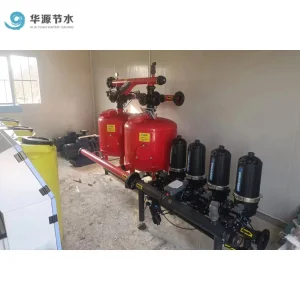
Water drawn directly from the White Nile or local tributaries carries high volumes of organic debris and fine sand. Standard drip emitters clog within weeks if not backed by high-capacity filtration systems. Industrial disc and screen filters (such as Y-type multi-precision systems) are critical infrastructure requirements for agricultural projects in South Sudan. They ensure that drip lines do not succumb to sediment blockage, securing consistent water discharge rates across uneven terrains.
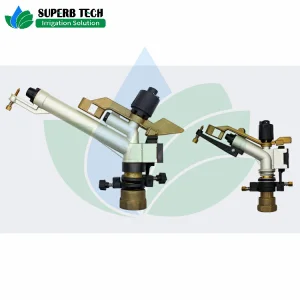
In regions such as Upper Nile and Lakes State, large-scale cultivation of sorghum, maize, sesame, and cotton requires high-volume sprinkler networks. Standard manual methods fail over these large expanses. Large-capacity metal rain gun systems, powered by high-head diesel pumps, are widely used to cover diameters exceeding 80 meters per unit. These systems allow agricultural firms to maintain critical crop growth phases even during seasonal rainfall shortages.
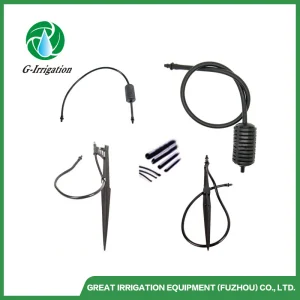
A significant driver of irrigation technology in South Sudan is the developmental aid and humanitarian sector (including FAO, USAID, and various international NGOs). These organizations focus on developing community vegetable gardens and smallholder cooperatives. The focus here is on simplicity, durability, and water preservation. Heavy-walled drip tape systems, gravity-fed micro-drip setups, and quick-connect PE/PP piping components are standard for these installations, ensuring they can be set up easily by local farming groups without heavy machinery.
Bridging the gap between automated precision farming and off-grid, rugged field environments.
Modern irrigation has evolved beyond simple water distribution. Today, it focuses on resource conservation, automated crop nutrient delivery, and climate-smart integration. The global agricultural sector is adopting IoT-connected sensors, solar-powered water pumps, and automated dosing machines that adjust watering programs based on soil moisture data. While these technologies represent the future, their implementation in South Sudan requires adaptation to local infrastructural conditions.
Fertigation—the application of water-soluble fertilizers through the irrigation system—has revolutionized commercial crop yields. By integrating water and fertilizer machinery, farms can deliver nutrients directly to the root zone. In Juba's commercial vegetable farms, this precision minimizes fertilizer waste due to evaporation or run-off, lowers labor requirements, and reduces costs for expensive chemical inputs.
Diesel fuel logistics in rural South Sudan can be challenging, with volatile prices and inconsistent supply chains. To mitigate this, modern commercial farms are shifting toward hybrid solar pumping. During daylight hours, off-grid solar arrays power high-capacity submersible centrifugal pumps, moving water from the Nile into elevated reservoirs. During the night or peak heat periods, water is gravity-fed into drip lines or pressurized using booster pumps, offering a reliable, cost-effective energy configuration.
At Anhui Beamer Garden Co., Ltd., we customize our product lines to address these specific regional demands. Our layflat discharge hoses, PE piping systems, and quick-connect compression fittings are manufactured to withstand high temperatures and rugged transport conditions. We source premium-grade raw polymers to prevent cracking under intense UV radiation. This ensures that field operators can deploy, disassemble, and reuse irrigation networks over multiple crop seasons without structural failure.
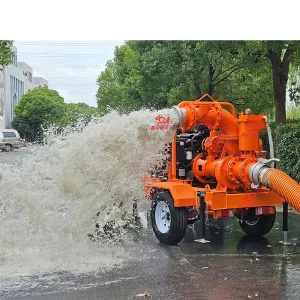
Furthermore, our range of heavy-duty diesel pump trucks and multi-stage booster pumps are engineered with robust filtration housings. This enables them to handle turbid water sources, protecting the downstream valves, solenoids, and emitters from sand damage.
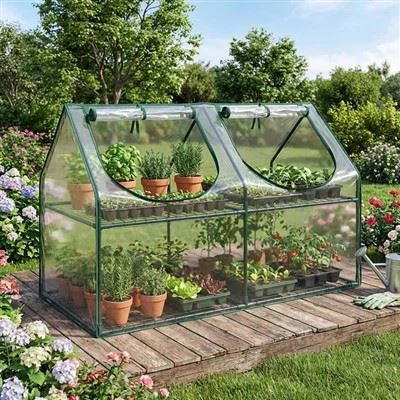
Integrated agricultural solutions: Off-grid high-durability systems engineered for remote farm installations.
How Anhui Beamer Garden Co., Ltd. leverages advanced manufacturing, rigorous QC, and global logistics to support international projects.
For international buyers, NGO procurement leads, and agricultural distributors in East Africa, supply chain reliability is critical. A delay in receiving irrigation equipment can miss the planting window, resulting in crop failure. Sourcing from a partner that combines advanced manufacturing with reliable logistics is essential. This is where the advantages of Anhui Beamer Garden Co., Ltd.'s Factory 4.0 infrastructure become clear.
Based in Anhui Province, China, our manufacturing facilities utilize automated production technology. We operate high-speed plastic injection molding machines, automated extrusion lines for drip hoses, and precision laser metal cutting machinery. This advanced setup ensures dimensional consistency across high-volume production runs. Whether ordering 10,000 meters of drip tape or thousands of compression fittings, each piece is manufactured to precise engineering tolerances, reducing leak rates in the field.
In modern agricultural procurement, compliance is non-negotiable. Major international NGOs and corporate farming groups require strict adherence to ethical manufacturing standards. Anhui Beamer Garden Co., Ltd. is a registered member of SEDEX, and our key partner factories undergo regular BSCI (Business Social Compliance Initiative) audits. This guarantees fair labor practices, safe working environments, and transparent production management. When sourcing from us, partners can be confident that our operations align with international ESG (Environmental, Social, and Governance) requirements.
Transporting heavy agricultural cargo to landlocked South Sudan requires careful logistics planning. We manage export shipments from major Chinese ports (Shanghai/Ningbo) to Mombasa, Kenya, or Port Sudan. Our packaging team uses high-density, seaworthy wrapping and custom crate configurations. This protects our products from moisture damage during sea transport and the rough road transit inland to Juba, ensuring your systems arrive ready for deployment.
Over two decades of dedication to quality, innovation, and global supply chain partnerships.
Anhui Beamer Garden Co., Ltd. is a professional manufacturer and trading company with over 20 years of experience in the garden and outdoor living products industry. Located in Anhui Province, China, the company has developed into a reliable and comprehensive supplier, integrating product design, research and development, manufacturing, and international trade.
We specialize in a wide range of garden products, including greenhouses, outdoor gazebos, garden sheds, and various outdoor storage solutions. In addition, our product portfolio extends to garden decoration items, bird repellent products, and other practical garden accessories. To ensure strong production capacity and flexibility, we have invested in advanced manufacturing facilities such as blow molding production lines, plastic mold development workshops, sewing units, coating lines, and precision laser cutting systems. These capabilities allow us to support both large-scale orders and customized production requirements.
Our main markets are Europe and North America, where we have built stable partnerships with chain retailers, DIY stores, wholesalers, and fast-growing e-commerce platforms. With rich experience in OEM and ODM services, we are able to work closely with clients to develop new products, optimize designs, and respond quickly to changing market trends.
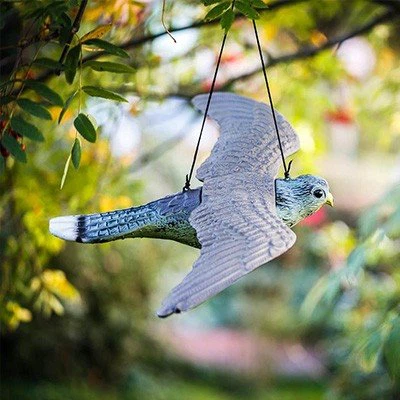
Agricultural protection: Heavy-duty bird repellent falcon decoys used to safeguard seedlings in modern farms.
Quality control is a top priority at Anhui Beamer Garden Co., Ltd. From raw material selection to final packaging, every stage of production is strictly monitored by our professional QC team to ensure that all products meet international standards and customer expectations. We continuously improve our processes and adopt new technologies to maintain consistent quality and enhance product durability and functionality.
In terms of social responsibility and compliance, our company is a member of SEDEX, and all cooperating factories have successfully passed BSCI audits. This reflects our strong commitment to ethical business practices, safe working conditions, and sustainable development. We also place increasing emphasis on environmentally friendly materials and production methods to support global sustainability initiatives.
Guided by the principles of professionalism, reliability, and customer satisfaction, Anhui Beamer Garden Co., Ltd. strives to deliver high-quality products and efficient service to clients worldwide. We warmly welcome customers from all over the world to establish long-term cooperation with us.
Answering critical engineering and distribution questions for procurement officers in East Africa.
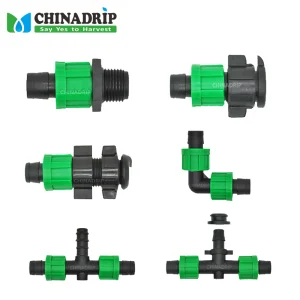
Engineered components designed for modular, leak-free installation in heavy agricultural and civil projects.
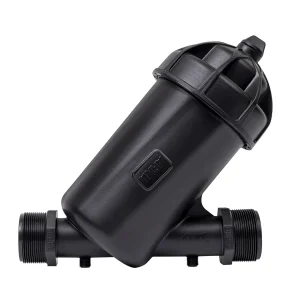
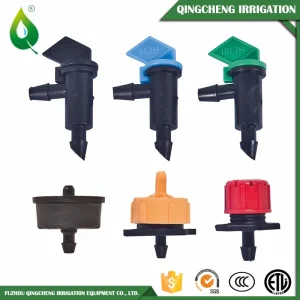
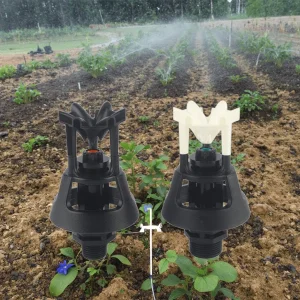
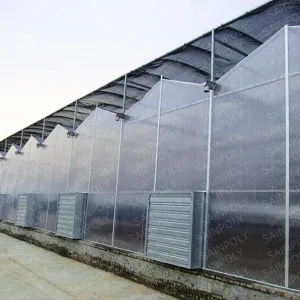
Key selection parameters for installing irrigation infrastructure under East African field conditions.
Developing agricultural infrastructure in remote locations requires careful planning. System failures often stem from incorrect pressure calculations, poor material selection, or insufficient filtration. The matrix below outlines key technical considerations for deploying watering systems in South Sudan:
| System Category | Primary Application | Flow Rate / Pressure Req. | Key Material Requirement |
|---|---|---|---|
| Drip Irrigation Tape | Row crops, vegetable farming, NGO food security plots. | 1.0 - 2.5 L/H per emitter at 1.0 Bar. | UV-stabilized virgin PE with internal labyrinth. |
| Metal Rain Gun Sprinklers | Commercial grain crops, pasture land, dust suppression. | 15 - 65 m³/h at 3.0 - 6.0 Bar. | Heavy-duty cast alloy with brass internals. |
| Y-Type Disc Filtration | Primary filtration for raw river or borehole water. | Up to 50 m³/h at max 8 Bar. | Reinforced polypropylene housing with multi-precision discs. |
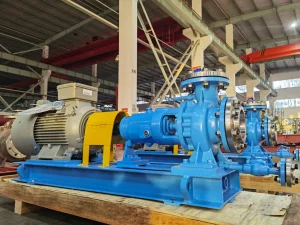
| Centrifugal Pump Units | Water intake from the White Nile to storage reservoirs. | High flow (up to 300 m³/h) at high head (40m+). | Cast iron casing with anti-corrosion coating. |
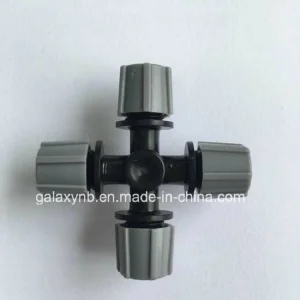
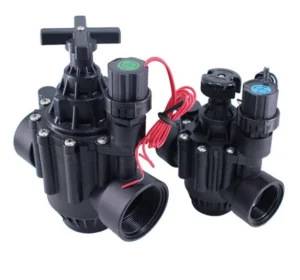
When executing projects in areas like Renk or Juba, local conditions must guide equipment selection. Standard home garden solutions are not suitable for commercial applications. Instead, systems must use industrial-grade components like our 16mm drip connectors, off-take valves, layflat discharge hoses, and diesel pump trucks. Investing in durable components ensures lower maintenance requirements and long-term performance.
Connect with our engineering division to discuss pipeline specs, pump sizing, or container-load shipping to Juba. Our team provides technical layouts, full CAD design assistance, and comprehensive commercial proposals.
 Beamer Garden