Select high-performance outdoor assets engineered for modern commercial, residential, and environmental configurations.
The international trade of garden ornamentation, architectural statues, and structural garden infrastructure has transitioned from a localized art-centric industry to a multi-billion-dollar global B2B sector. Driven by a massive resurgence in urban forestry, premium residential landscaping, and wellness-centric architectural spaces, modern buyers are demanding far more than just aesthetic quality. In major global consumption corridors such as Europe and North America, purchasing parameters are now governed by strict product safety compliance frameworks, life-cycle durability indexes, and comprehensive supply chain ethics.
B2B importers, catalog merchants, and large-scale DIY conglomerates face complex administrative and operational hurdles. To satisfy the demands of modern regional supply networks, manufacturers must provide robust quality validation, primarily represented by the CE Certification (Conformité Européenne). A CE mark serves as a manufacturer's declaration that their product complies with essential health, safety, and environmental protection standards established under European directives. This compliance is critical for integrated products featuring solar power units, water pumping systems, or heavy structural elements that pose load-bearing or public safety risks.
Verifying structural load tolerances, electrical containment safety, material non-toxicity, and electromagnetic compatibility for integrated garden technologies.
Mitigating cross-border compliance risks by verifying manufacturing credentials, raw material trace records, and structural calculation reports.
Creating functional, modular outdoor layouts that balance environmental aesthetics with robust, weather-resistant engineering.
The modern global landscape industry is shifting rapidly away from static, single-function ornaments. Key industry drivers now include Biophilic Design integration, the development of Smart Urban Microclimates, and the deployment of **Integrated Green Infrastructure**. Statues, lighting fixtures, and modular outdoor furniture are no longer treated as isolated elements; instead, they function as parts of dynamic ecosystems.
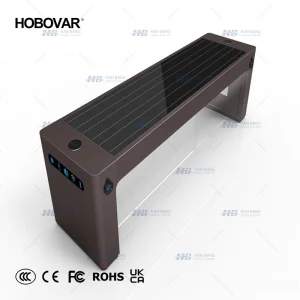
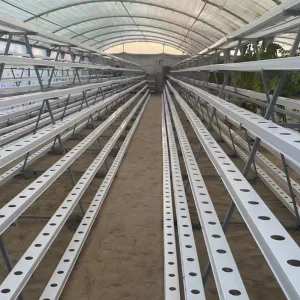
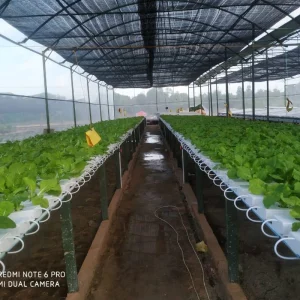
This evolution has spurred the development of multi-functional garden systems, such as solar-integrated benches that offer mobile device charging, and low-maintenance, self-sustaining vertical hydroponics. Advanced polymer composites, light-weight powder-coated aluminum, and weatherized woven fibers have largely replaced traditional, heavy, and brittle stone structures. By adopting these modern material structures, global manufacturers can significantly reduce transport emissions, streamline on-site assembly, and dramatically extend product lifespans in harsh outdoor environments.
Anhui Beamer Garden Co., Ltd. is a highly specialized manufacturer and trading organization with over 20 years of experience in the garden and outdoor living products industry. Located in Anhui Province, China, the company operates as a reliable and comprehensive global supplier, integrating modern product design, research and development (R&D), advanced manufacturing, and complex international trade operations.
Beamer Garden specializes in high-durability garden solutions, including professional-grade greenhouses, outdoor gazebos, garden sheds, and comprehensive outdoor storage units. The firm's design and engineering catalog also features decorative garden components, solar lighting systems, and bird repellent solutions. To support both massive international retail runs and highly custom OEM/ODM projects, the company operates dedicated production lines, including advanced blow molding equipment, plastic mold development workshops, textile sewing units, automated metal coating lines, and precision CNC laser cutting systems.
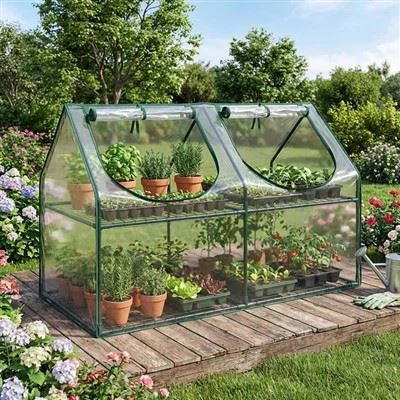
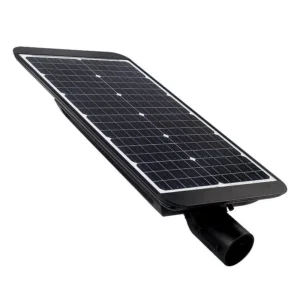
Figure 1: Shnevergos Solar Powered Outdoor Lamps – Weatherproof Engineering & High-Lumen Output.
To capture localized market demand, sourcing managers must align their product selections with regional zoning laws, climate conditions, and design preferences:
To maintain top-tier E-E-A-T status, a modern factory must deploy cutting-edge engineering processes. Material selection is the first line of defense against environmental degradation. For example, modern plastic compositions are formulated with long-chain UV stabilizers and impact-resistant polypropylene copolymers to prevent cracking and discoloration caused by solar exposure and freezing temperatures.
Integrating UV-inhibiting additives and stabilizers into high-molecular-weight polymers to prevent degradation under intense sunlight and sub-zero temperatures.
Employing heavy-duty blow molding systems and high-precision CNC laser cutters to achieve structural tolerances within 0.05mm.
Applying electrostatic powder coatings and heat-sealed anti-rust protection to metal frames, ensuring they can withstand highly corrosive marine and humid environments.
Subjecting products to physical stress testing, electrical safety audits, and certification protocols. Finished goods are cataloged and prepared for global export under SEDEX and BSCI guidelines.
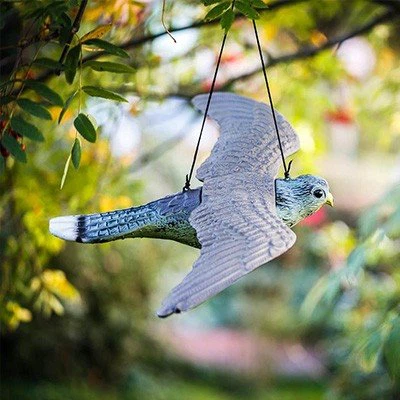
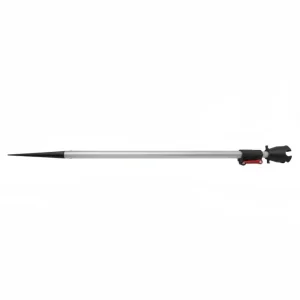
Figure 2: Falcon Decoy Bird Scarer – Humane and eco-friendly pest control designed for architectural gardens.
Global supply chains face unprecedented volatility, with shifting freight rates, port congestion, and evolving environmental regulations. At Anhui Beamer Garden, we mitigate these risks through structural optimization. By designing products that feature nested components, slot-less assembly, and modular packaging, we maximize container space utilization. This reduces shipping footprints and lowers landed costs for our wholesale and retail partners.
Our commitment to ethical, sustainable sourcing is demonstrated by our active membership in the SEDEX database and our factories' compliance with BSCI (Business Social Compliance Initiative) audit protocols. These standards ensure that all products are manufactured under safe, fair, and legally compliant working conditions, protecting international buyers from brand reputation risks.
As commercial developers and landscape designers transition to smarter urban projects, the need for integrated systems has surged. Today, structural features like pathways, architectural barriers, and public parks must incorporate active electrical and agricultural functionalities. This shift requires factories to possess versatile production capabilities:
Essential insights for global procurement managers, logistics heads, and landscaping engineers.
Select high-performance outdoor assets engineered for modern commercial, residential, and environmental configurations.
 Beamer Garden