How to Waterproof an Outdoor Wooden Shed Effectively?

Time:2026-05-11 Author:Charlotte
0%

When considering how to waterproof an outdoor wooden shed, the process may seem daunting. Many shed owners often overlook this vital step, leading to deterioration over time. Water damage can cause wood to warp, rot, or even mold. These issues not only compromise the structure but also impact items stored inside.

To effectively waterproof your shed, start by choosing suitable materials. This includes high-quality sealants and proper paints. Application technique matters, as improper layering can lead to vulnerabilities. It’s crucial to remember that good waterproofing is a blend of right materials and methods.

Additionally, inspect the shed regularly. Look for signs of wear or areas where moisture might penetrate. Early detection can prevent more significant problems later. Engaging in this preventive practice will enhance the longevity of your shed. Understanding how to waterproof an outdoor wooden shed isn't just a one-time task; it's an ongoing responsibility.
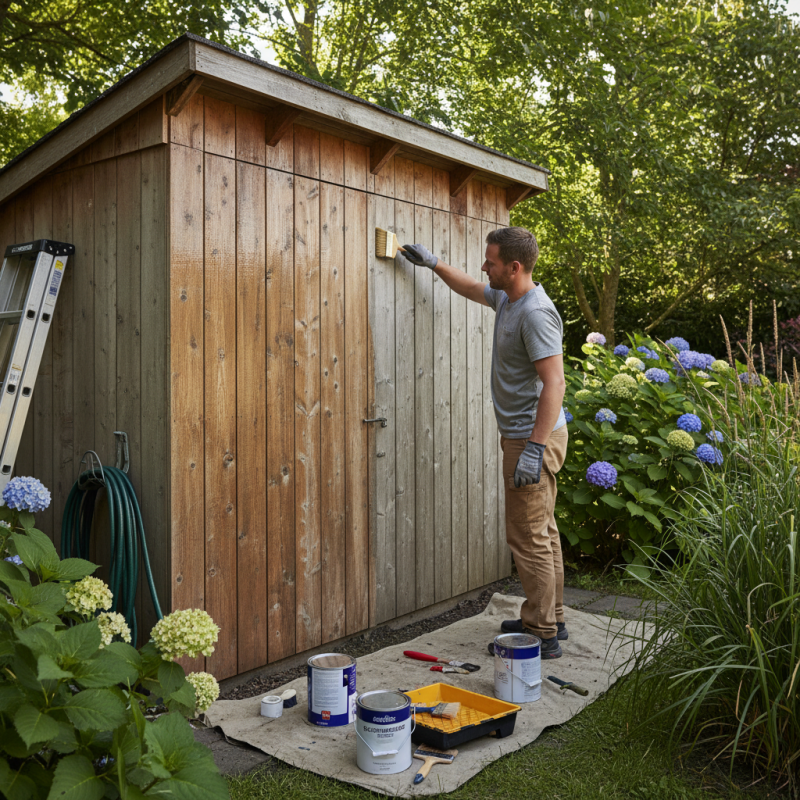
How to Waterproof an Outdoor Wooden Shed Effectively?

Understanding the Importance of Waterproofing for Outdoor Sheds

Waterproofing an outdoor wooden shed is crucial for maintaining its integrity. Moisture can lead to mold, rot, and degradation of the wood. A report from the National Wood Flooring Association highlights that untreated wood can absorb up to 40% of its weight in water. This statistic underscores the necessity of effective waterproofing for any wooden structure exposed to the elements.

When wooden sheds are left unprotected, they are susceptible to damage. Over time, rain and humidity can compromise the wood's structure. The Timber Research and Development Association states that prolonged exposure to moisture can reduce a shed's lifespan by up to 50%. Despite best intentions, many homeowners overlook routine waterproofing, leading to costly repairs.

Quality waterproofing methods make a significant difference. Using wood preservatives, sealants, and breathable membranes can create a barrier against water while allowing moisture to escape. Research suggests that proper application of these materials can extend the life of a shed for years. However, the application process is often rushed or improperly executed, leading to inefficient results. It’s important to invest time and effort to ensure that the waterproofing is thorough and effective.

Waterproofing Methods for Outdoor Wooden Sheds

Selecting the Right Materials for Effective Waterproofing

Selecting the right materials for waterproofing an outdoor wooden shed is crucial for its longevity. Use high-quality wood preservatives and sealants specifically designed for outdoor use. According to the American Wood Protection Association, effective treatment can extend the life of wooden structures by up to 50%. Look for products with UV protectants to prevent sun damage, as prolonged exposure can weaken wood fibers.

In addition to sealants, consider using a durable roof covering. Metal roofs or high-performance shingles offer enhanced protection against water buildup. A study by the National Roofing Contractors Association highlights that roofs installed with proper materials can withstand severe weather, reducing repair costs by 30% over time. However, don’t overlook the need for proper ventilation. Poor airflow can lead to mold, even with waterproofing measures in place.

Be aware that not all materials work well for every type of climate. Humid environments may require more frequent maintenance and reapplication of sealants. A report from the Forest Products Laboratory indicates that untreated wood exposed to moisture can show signs of decay within a year. Regular inspections and adjustments based on your region's weather patterns are necessary to ensure your waterproofing remains effective. Engaging with professionals in wood treatment can also provide valuable insights into material selection that best suits your needs.

Step-by-Step Guide to Preparing Your Shed for Waterproofing

Preparing your outdoor wooden shed for waterproofing requires careful planning and execution. Start by gathering essential tools and materials. You’ll need sandpaper, a paintbrush, and a waterproof sealant. Ensure your shed is clean and dry before applying any products. Look for any signs of damage or rot. It’s important to address these issues before proceeding.

Remove any dirt or debris from the shed's surface. Sand down rough spots to create a smooth area for the sealant. Pay attention to corners and seams, as these are prone to moisture. A thorough inspection is key. It’s easy to overlook small details, but they can lead to bigger problems down the road. Note where water tends to collect and think about how to improve drainage around your shed.

After preparation, apply the waterproof sealant evenly. Use a brush to ensure every surface is covered. You may need multiple coats for full protection. Don’t rush this process. Take breaks to check your work. Continuous reflection can enhance your technique. Make sure to allow sufficient drying time between coats, as this is vital for effectiveness.

How to Waterproof an Outdoor Wooden Shed Effectively? - Step-by-Step Guide to Preparing Your Shed for Waterproofing

Step Description Materials Needed Estimated Time
1 Inspect the shed for any damages None 30 minutes
2 Repair any damages found Wood glue, wood filler, sandpaper 1-2 hours
3 Clean the surface thoroughly Soap, water, brush, or sponge 1 hour
4 Apply waterproofing sealant Waterproof sealant, paintbrush or sprayer 2 hours
5 Allow sealant to dry completely None 24-48 hours
6 Check for leaks after rainfall None 30 minutes

Applying Waterproof Sealants: Techniques and Tips

Waterproofing an outdoor wooden shed involves careful planning and execution. Using the right sealants can extend the life of your shed significantly. According to industry studies, properly sealed wood can last up to five times longer than untreated wood. This highlights the importance of applying quality waterproof sealants effectively.

When applying sealants, start with clean, dry wood. Remove any dirt or old finishes, which can inhibit adhesion. Use a brush or roller for even application. Aim for a uniform coat that penetrates deeply into the wood fibers. Pay attention to corners and joints as these areas are more susceptible to moisture. Research indicates that failing to cover these spots can lead to rot, reducing the structure's integrity.

Timing can also impact the effectiveness of your application. It’s best to seal your shed on dry days with temperatures between 50°F and 85°F. Extreme temperatures can cause the sealant to dry too quickly. This leads to improper binding, which won't help in waterproofing. Testing the environment ahead of time is a smart practice to ensure the best results.

Regular Maintenance Practices to Ensure Long-Lasting Protection

Regular maintenance is key to ensuring your outdoor wooden shed remains waterproof and protected. Start by routinely inspecting the shed for signs of wear. Check for cracks in the wood and gaps in the seams. Small imperfections can lead to larger issues if not addressed. Use a wood filler to seal any visible cracks. This simple step can prevent moisture from penetrating the structure.

Another crucial practice is applying a waterproof sealant every couple of years. Choose a sealant designed for outdoor use. This helps create a barrier against rain and humidity. Be sure to clean the wooden surface thoroughly before application. Any dirt or debris can hinder the sealant's effectiveness. As you apply the product, watch for drips or uneven areas, which may require extra attention later.

Keep an eye on the roof and gutters as well. Ensure no leaves or debris block the drainage. Standing water can rot the wood quickly. Consider installing a protective cover over the roof to shield it from harsh elements. Regularly inspect your shed and make these small adjustments. They can greatly enhance its durability. Remember, maintenance requires consistency. It’s easy to overlook, but the health of your shed depends on your diligence.

FAQS

: Why is selecting the right materials important for waterproofing?

: The right materials improve longevity and protect against water damage. Quality ensures structures last longer.

What type of wood preservatives should I use?

Use high-quality preservatives and sealants designed for outdoor environments to enhance performance.

How can I protect my shed from UV damage?

Look for products with UV protectants to prevent sun damage, which weakens wood fibers over time.

What roofing materials are best for waterproofing?

Durable options like metal roofs or high-performance shingles offer good protection from water buildup.

How does ventilation affect waterproofing?

Poor airflow can lead to mold. Proper ventilation is crucial, even with waterproof measures in place.

What should I do for humid climates?

More frequent maintenance and reapplication of sealants may be necessary in humid environments.

How often should I inspect my waterproofing?

Regular inspections based on local weather patterns help maintain effective waterproofing.

What’s essential before applying sealants?

Ensure wood is clean, dry, and free from dirt or old finishes to enhance adhesion.

When is the best time to seal my shed?

Seal on dry days with temperatures between 50°F and 85°F for optimal results.

Can I apply sealants in extreme temperatures?

No, extreme temperatures can cause sealants to dry too quickly, leading to ineffective binding.

Conclusion

Waterproofing an outdoor wooden shed is essential for ensuring its longevity and protecting it from the elements. Understanding the importance of waterproofing helps shed owners maintain the structural integrity of their sheds while preventing mold and rot. When considering how to waterproof an outdoor wooden shed, the selection of appropriate materials is crucial, as different sealants and coatings offer varying levels of protection.

In the preparation phase, it's important to thoroughly clean and dry the shed to facilitate better adhesion of waterproofing products. The application of waterproof sealants requires careful technique for maximum effectiveness, including ensuring even coverage and addressing all seams and joints. Finally, regular maintenance practices, such as reapplying sealants and checking for signs of wear, are vital for sustaining long-lasting protection, ensuring that your outdoor wooden shed remains safe and dry for years to come.

Charlotte

Charlotte

Charlotte is a seasoned marketing professional with a deep understanding of the company's portfolio and a passion for elevating its presence in the market. With a keen eye for detail and a commitment to excellence, she ensures that our professional blog is regularly updated with insightful articles......