When to Start Seeds in a Greenhouse for 2026 Success?

Time:2026-05-07 Author:Sophia
0%

Growing your own plants can be an exciting venture. Understanding when to start seeds in a greenhouse is crucial for a successful garden. Timing significantly affects plant growth and yields. Many gardeners struggle to pinpoint the right moment to get started. For those aiming for a fruitful harvest in 2026, careful planning is essential.

The temperature, light exposure, and seed variety all play key roles. Different seeds have unique requirements, leading to further complexity. Some seeds germinate best in warmer conditions, while others prefer cooler temperatures. A successful greenhouse setup can support all these needs. However, not every gardener achieves the desired results. Planning ahead can help mitigate these challenges.

Reflecting on personal experiences can guide better decisions. Researching the best times for specific seeds can boost your chances. Being aware of common mistakes can save you time and resources. As you explore when to start seeds in a greenhouse, take notes and adjust your approach. This iterative process will lead you to greater success in your gardening endeavors.
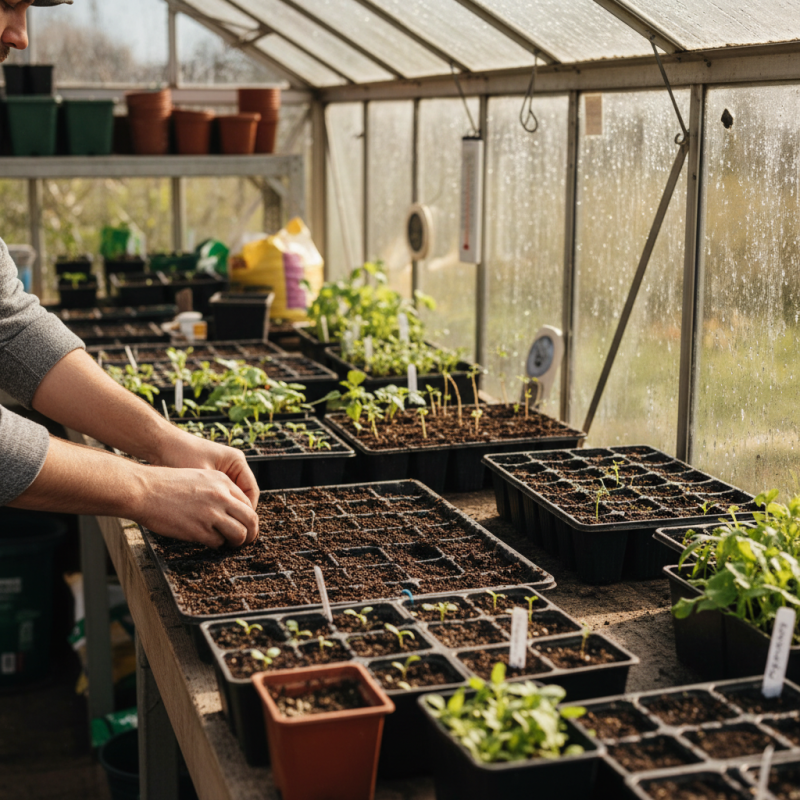
When to Start Seeds in a Greenhouse for 2026 Success?

Importance of Timing for Seed Starting in Greenhouse Success

Timing is crucial when it comes to starting seeds in a greenhouse. The right timing can significantly influence plant growth and yield. If you start too early, seedlings may outgrow their space. If you start too late, you risk missing the peak growing season. Understanding the local climate and frost dates is essential. Each plant species has its own ideal starting time.

One effective strategy is to keep a planting calendar. This document can track the best times for sowing different seeds. Use a simple format to make it easy to follow. Make notes from previous years. Did certain seeds perform poorly? This could point to timing issues. Experimentation is key. Not every greenhouse environment is the same. Conditions like temperature and humidity play significant roles.

Remember, it's a learning process. You might face setbacks, such as legginess in seedlings or poor germination rates. Reflect on these experiences. They provide valuable insights for future planting seasons. Emphasizing the importance of timing in seed starting will set you on the path to success. Observing and adjusting strategies based on your observations can lead to better outcomes in your greenhouse.

Factors Influencing Seed Starting Dates for Different Plants

Timing is crucial for successful seed starting in a greenhouse. Several factors significantly influence when to begin this process. First, the plant species plays a major role. Some plants, like tomatoes, thrive with an early start. Others, such as lettuce, prefer cooler temperatures and should be sown later in the season. Understanding each plant's needs helps in planning seed dates effectively.

Temperature is another critical factor. Seeds require a specific temperature to germinate. Most seeds germinate well between 65°F and 75°F. However, this range can vary across species. It’s vital to monitor temperature fluctuations in your greenhouse. If it gets too warm, some seeds may struggle. Air circulation and humidity levels also impact seedling health. Keeping an eye on these elements can improve success rates.

Light exposure cannot be overlooked. As sunlight intensity changes throughout the year, so should your planting schedule. Some seeds need longer daylight hours, while others can grow well in shorter days. The timing of artificial lights can also affect growth. Sometimes, it's tempting to start seeds early, but this could lead to leggy seedlings. Reflecting on your past experiences can guide better decisions in future planting seasons.

When to Start Seeds in a Greenhouse for 2026 Success

Plant Type Optimal Start Date Transplant Date Days to Germinate
Tomatoes Early March Late May 5-10 days
Peppers Early March Late May 7-14 days
Lettuce Late February Early April 7-12 days
Cucumbers Mid April Late May 7-10 days
Basil Mid March Late May 5-10 days

Seasonal Considerations: Aligning Plant Needs with Climate Conditions

Choosing the right time to start seeds in your greenhouse is crucial for a successful garden. Seasonal considerations play a major role. Every plant has specific needs for temperature, light, and moisture. Understanding local climate conditions helps in predicting the best time to sow.

For example, cool-season crops like kale and spinach thrive when started in late winter. They require cooler soil conditions. However, warm-season crops like tomatoes need warmer temperatures; they should be sown after the last frost date. It’s important to check your local frost dates. Seed packets often provide this information as a guide.

Sometimes, even experienced gardeners face challenges. Weather can be unpredictable. A late frost might damage young plants. Observing your garden and learning from past seasons is key. Keep a gardening journal to track successes and setbacks. This practice helps improve future decisions.

When to Start Seeds in a Greenhouse for 2026 Success

This chart illustrates the optimal months for starting seeds in a greenhouse based on seasonal climate conditions. The data shows the best timeframes for various plants, ensuring alignment with their growth requirements and minimizing the risks of frost or unsuitable temperature.

Step-by-Step Guide to Preparing Your Greenhouse for Seed Starting

Starting seeds in your greenhouse can be a rewarding process. To ensure success, proper preparation is key. Begin by cleaning your greenhouse. Remove any debris and dead plants from the previous season. This helps eliminate potential pests and diseases.

Next, assess the temperature. Maintaining a consistent warmth is crucial for seed germination. Ideally, target a temperature range between 65°F and 75°F. If your greenhouse is too cold, consider investing in a heater. Too much heat can be detrimental, too. Monitor conditions daily.

Tips: Use seed trays that have drainage holes. This prevents water from pooling and causing mold. Label your trays to keep track of different varieties. As seeds germinate, ensure proper spacing. Overcrowding can lead to weak seedlings. Review your watering routine; overwatering is a common mistake that leads to root rot.

As you prepare, keep in mind that not every crop may thrive. Some seeds need specific conditions. Research individual requirements before planting. Adjust your approach based on past experiences to enhance your skills.

Common Mistakes to Avoid When Starting Seeds in a Greenhouse

Starting seeds in a greenhouse can be highly rewarding. However, many gardeners make common mistakes that hinder their success. One prevalent error is neglecting temperature control. According to the National Gardening Association, optimal germination temperatures vary by species. Many seedlings thrive between 70°F and 75°F. Neglecting this can lead to weak plants or even seed failure.

Another frequent pitfall is overwatering. A study from the University of Florida suggests that 70% of seedling issues result from excess moisture. Too much water can cause root rot and fungal problems. Beginners often think more water equals healthier plants, which is misleading. It is crucial to check the soil moisture regularly, ensuring it is damp but not soaked.

Timing also plays a critical role in seed starting. The American Horticultural Society recommends starting seeds indoors six to eight weeks before the last frost. However, waiting too long can lead to leggy plants. Those new to gardening often forget to adjust their plans based on local climate variations. Each of these mistakes can lead to significant losses and frustration.

Being aware of these common issues can help you refine your approach. Identify your plants’ needs, monitor conditions, and adjust accordingly. With attention to detail, your greenhouse can thrive.

FAQS

: What factors influence seed starting dates?

: Plant species, temperature, and light exposure are crucial factors. Understand each plant’s needs for better scheduling.

What is the ideal temperature for seed germination?

Most seeds prefer temperatures between 65°F and 75°F. Monitor daily, as conditions can fluctuate.

How can I prepare my greenhouse for seed starting?

Start by cleaning the greenhouse. Remove debris and dead plants to prevent pests and diseases.

What common mistake do gardeners make regarding watering?

Overwatering is a frequent issue. Ensure soil is damp, not soaked, to avoid root rot.

How can light exposure impact seed growth?

Different seeds need varying daylight hours. Adjust your planting schedule according to seasonal light changes.

Why is timing critical in starting seeds?

Starting too early can lead to leggy plants. Adjust plans based on local climate and frost dates.

What should I use for seed trays?

Use trays with drainage holes. This avoids water pooling and reduces mold risks.

How important is air circulation in a greenhouse?

Good air circulation is essential. It helps maintain humidity and supports healthy seedling growth.

Should I label my seed trays?

Yes, labeling keeps track of different varieties, ensuring you know what you've planted.

Can past experiences influence future planting?

Reflecting on previous seasons can help identify what worked and what didn't, improving your approach.

Conclusion

Timing is crucial for greenhouse success, especially when determining when to start seeds in a greenhouse. Understanding the specific needs of different plants and aligning them with local climate conditions is essential for optimal growth. Factors such as temperature, humidity, and light exposure play significant roles in deciding the right seed starting dates.

To prepare your greenhouse effectively, follow a step-by-step guide that includes cleaning and organizing the space, ensuring adequate heating, and providing proper lighting conditions. Additionally, being aware of common mistakes—such as starting seeds too early or too late—can help prevent setbacks. By carefully considering these elements, gardeners can enhance their chances of a fruitful planting season and ensure thriving plants well into 2026.

Sophia

Sophia

Sophia is a dedicated marketing professional with an exceptional depth of knowledge about her company's products and services. With a keen understanding of market trends and customer needs, she crafts insightful blog posts that not only inform but also engage readers, enriching the company’s online......