As winter approaches, garden statues face risks from harsh weather. Knowing how to protect garden statues from winter is essential for maintaining their beauty and durability. According to a report by the National Association of Landscape Professionals, nearly 70% of homeowners invest in garden decor but fail to consider winterization.
Expert Mark Johnson, a landscape architect with over 15 years of experience, emphasizes the need for protective measures: "Without proper care, garden statues can suffer severe damage during winter months." His insights highlight the importance of proactive steps, such as using protective coverings and strategic placement.
Taking these precautions can prevent costly repairs. Moisture and freezing temperatures can cause cracks and discoloration, affecting statue aesthetics. By implementing methods to safeguard your garden art, you can ensure it lasts through the seasons. Reflect on the materials used in your statues. Some may require more care than others, prompting a reassessment of your winter protection strategies.
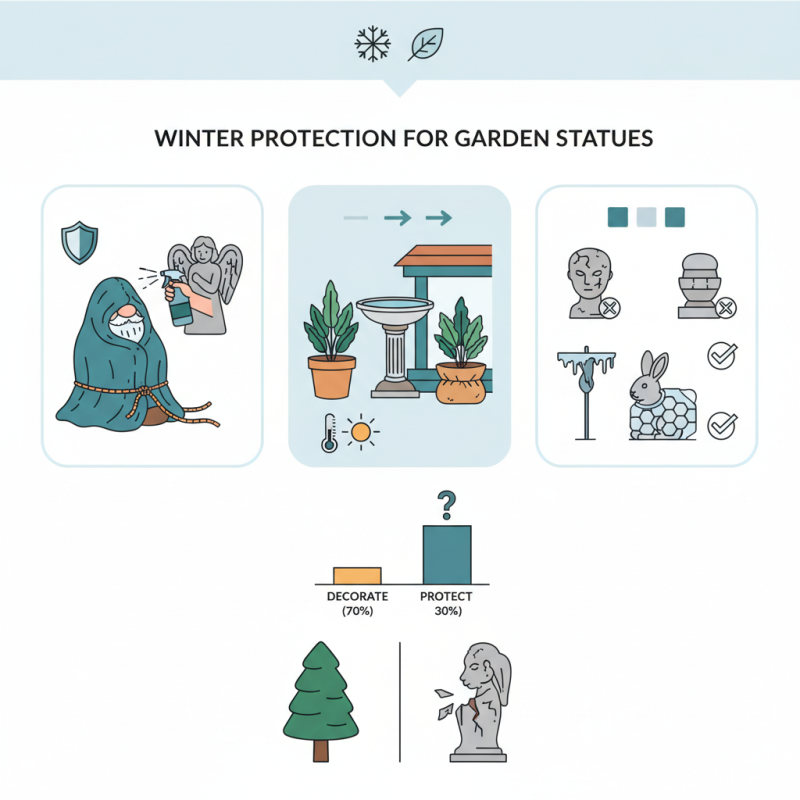
Choosing the right location for garden statues during winter is essential for their longevity. Statues should be placed in spots protected from harsh winds and heavy snow. According to a report by the National Gardening Association, over 70% of garden statuary damage occurs due to exposure to extreme weather. An ideal location would provide shelter while also allowing for proper drainage to prevent water accumulation.
Consider placing statues on elevated surfaces or under eaves. This helps avoid moisture pooling around the base. Additionally, avoid areas with heavy foot traffic to minimize the risk of accidental damage. A research study published in the Journal of Environmental Horticulture indicates that garden features positioned in sheltered locations survive better through winter.
Pay attention to the positioning of larger statues. They may create windbreaks that protect smaller decorative pieces. Reflect on the layout of your garden and how it interacts with winter elements. A thoughtful arrangement can enhance resilience against winter conditions, ultimately preserving the beauty of your outdoor space.
This chart illustrates the recommended locations for protecting garden statues during the winter season based on various environmental factors. Each bar represents the safety rating of different locations: Covered Area, Open Garden, Inside Shed, and Under Tree.
Before storing your garden statues for winter, cleaning and inspecting them is crucial. Statues can collect dirt, moisture, and debris over time. According to a recent report from the National Gardening Association, proper maintenance can extend the lifespan of outdoor decorations by up to 30%. Start by gently washing the statues with mild soap and water. Use a soft brush for intricate details. Rinse thoroughly to remove all soap residue.
Next, inspect each statue for cracks or signs of wear. Pay close attention to joint areas, as they are often vulnerable. Research indicates that minor repairs made before winter can prevent significant damage. Applying a sealant designed for outdoor use can help protect the statue's surface from moisture and cold temperatures. However, not all materials are the same. Some stone statues may require specific treatments that differ from metal or resin counterparts.
Once cleaned and repaired, store the statues in a sheltere d location. Ideally, they should be in a temperature-controlled environment. For larger statues, consider using a tarp for extra protection. A study from the Garden Art Institute shows that improper storage can reduce the durability of statues by 40%. It’s worth taking the time to prepare your cherished garden decorations before the harsh winter months.
Winter can be tough on garden statues. Protecting them is essential to preserve their beauty and longevity. Choosing the right protective covers is crucial. The ideal material should offer effective insulation to combat freezing temperatures. For instance, a study by the National Gardening Association reveals that unprotected statues can suffer from cracking and chipping due to frost damage.
When selecting a cover, look for options like heavy-duty fabric or insulated tarps. These materials provide the necessary warmth while allowing some breathability. It's found that covers with an R-value of 2 or more significantly reduce the impact of cold. Additionally, you should consider the fit. A poorly fitted cover can trap moisture, leading to mold growth.
It's easy to overlook the small details when protecting your statues. Ensure that the covers are secured, preventing them from blowing away in harsh winds. Regularly check for any signs of corrosion or wear underneath the covers. Remember, proper care today can save your statues from costly repairs later. These simple steps can enhance the lifespan of your cherished garden art.
| Material Type | Insulation Properties | Water Resistance | Durability | Price Range (USD) |
|---|---|---|---|---|
| Polyester | Moderate | High | Good | 20 - 50 |
| Vinyl | High | Excellent | Very Good | 30 - 70 |
| Canvas | Good | Moderate | Fair | 15 - 40 |
| Fleece | Excellent | Good | Good | 25 - 60 |
| Polypropylene | High | Excellent | High | 35 - 80 |
When winter arrives, protecting garden statues is essential. Snow and ice can cause significant damage if not addressed timely. Implementing support structures can greatly enhance the safety and longevity of these ornamental pieces. According to the National Gardening Association, about 40% of homeowners invest in garden décor. Thus, taking preventive action is vital.
Consider using sturdy platforms as a base for your statues. These platforms can help prevent cracking from freeze-thaw cycles. The American Society of Landscape Architects notes that inadequate support can lead to a 30% increase in the risk of damage during harsh winters. Additionally, you can build temporary enclosures around your statues. These enclosures should be made from weather-resistant materials to withstand heavy snowfall.
While taking these measures, keep in mind potential downsides. Support structures can sometimes obstruct views of the statues, diminishing their aesthetic appeal. It’s crucial to strike a balance between protection and visibility. Regular inspections are also necessary to identify wear and tear, ensuring that your protective measures remain effective throughout the winter months.
When considering storage solutions for garden statues during winter, both indoor and outdoor options have their pros and cons. Indoor storage is often more protective against harsh weather. For smaller statues, consider a garage or a shed. Simply wrap them in bubble wrap or a soft cloth to prevent scratching. Make sure these spaces are dry to avoid mold.
Outdoor storage can be trickier. If you choose to leave statues outside, ensure they are anchored securely. Covering them with tarps can provide some protection from snow and ice. However, be cautious. Tarps can trap moisture and lead to damage. Regularly check under the coverings to ensure there’s no accumulation of water or debris.
Tips: Always clean your statues before storage. Dust and grime can lead to deterioration over time. If using resin or stone, consider applying a weather-resistant sealant, which can extend their life. Inspect your statues at the beginning and end of winter. Look for any cracks or signs of wear that need attention.
: Protecting statues preserves their beauty and longevity. Unprotected statues may suffer from cracking due to frost damage.
Heavy-duty fabric and insulated tarps work well. They provide warmth and ensure some breathability.
Covers with an R-value of 2 or more reduce cold impact significantly. Higher R-values offer better insulation.
Ensure the cover fits well. A loose fit can trap moisture and lead to mold growth.
Anchor statues securely and use tarps for protection. Make sure to check for water accumulation under the covers.
Clean statues to prevent deterioration. Wrapping them in bubble wrap or soft cloth helps avoid scratches.
Outdoor storage risks moisture accumulation under covers. This can lead to damage and requires regular inspection.
Regularly inspect outdoor statues for signs of wear. Check at both the start and end of winter.
Indoor storage typically offers better protection. However, ensure spaces are dry to avoid mold growth.
Yes, applying weather-resistant sealants helps extend the life of resin or stone statues.
To effectively learn how to protect garden statues from winter, it is crucial to start by selecting the right location for these decorative pieces to minimize exposure to harsh weather conditions. Preparing the statues through thorough cleaning and inspection before winter storage ensures that any damage is addressed, prolonging their lifespan. Using protective covers made of suitable insulating materials can shield the statues from extreme cold.
Additionally, implementing support structures helps prevent damage caused by accumulated snow and ice, which can be particularly harmful. Finally, proper storage techniques, whether opting for indoor or outdoor solutions, play a vital role in maintaining the integrity of garden statues throughout the winter months. By following these steps, you can ensure that your garden statues remain safe and visually appealing against the winter elements.
Beamer Garden