Keeping cats out of raised garden beds can be a challenge for gardeners. According to a report by the American Society for the Prevention of Cruelty to Animals, an estimated 60 million feral cats roam the U.S. This large population can disrupt gardens, digging and leaving waste. Understanding how to keep cats out of raised garden beds naturally is crucial for preserving plant health.
Natural solutions are not only beneficial but also environmentally friendly. Many gardeners have turned to methods that deter cats without harming them. For instance, using scents like citrus or vinegar can discourage cats from entering garden areas. Research indicates that cats have a strong aversion to these smells. Additionally, physical barriers like chicken wire or thorny plants can effectively prove to be deterrents.
Despite these strategies, some gardeners might find them less effective at times. Cats are known for their persistence. This ongoing struggle underscores the need for continuous experimentation with different methods. By sharing stories and experiences, gardeners can refine their techniques, ultimately leading to a more successful and harmonious garden environment.
Understanding Cat Behavior and Their Attraction to Garden Beds
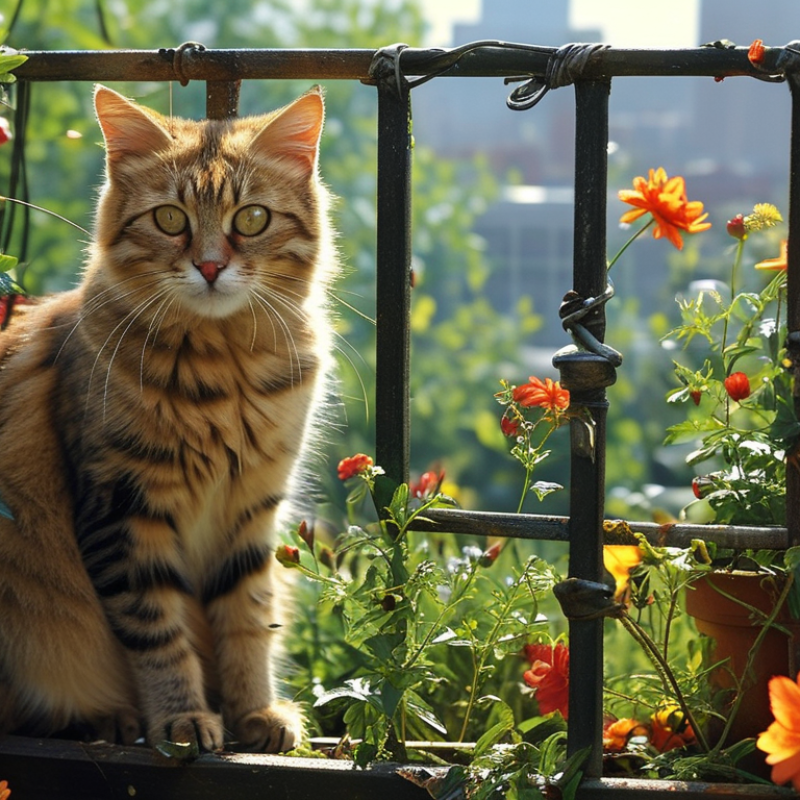
Cats are natural explorers. Their instinct drives them to investigate any new environment, including garden beds. According to the American Society for the Prevention of Cruelty to Animals (ASPCA), cats often seek out soft soil to dig, as it mimics the natural behaviors of their wild ancestors. This fascination can turn your beautiful garden into a litter box overnight.
Understanding cat behavior is crucial. Cats are attracted to the scents and textures of garden beds. Many plants emit fragrances that pique a cat's curiosity. Research from the Journal of Feline Medicine and Surgery indicates that when cats perceive a new smell, they are likely to investigate further. Combined with their natural hunting instincts, garden beds become an irresistible playground.
Creating barriers can be effective but challenging. Cats are skilled climbers. Using physical deterrents like mesh or fencing may help, but they must be properly installed. The Humane Society suggests incorporating natural repellents such as citrus peels or coffee grounds. These scents are often unpleasant to cats yet safe for your plants. Reflecting on your approach may lead to better solutions. Experimenting with various techniques can help you find the right fit for your garden.
Natural Deterrents: Plants That Cats Dislike in Garden Areas
Cats can be charming companions, but they can also wreak havoc in raised garden beds. To naturally deter them, consider incorporating certain plants known for their feline-repelling qualities. For instance, plants like lavender emit strong scents that most cats dislike. Their fragrant blooms not only repel cats but also bring beauty to your garden.
Another effective choice is rue, a herb with a bitter taste that discourages cats from entering. Its blue-green foliage adds a unique texture to garden beds. You might also want to explore the use of citrus-scented plants, like lemon balm or lemon thyme. Cats typically avoid citrus fragrances, creating an unwelcoming atmosphere for them.
While planting these deterrents, it’s essential to observe how your local wildlife interacts with your garden. Sometimes, even the best plants may not work effectively. Monitoring feline behavior can offer insights into what helps and what doesn’t. Remember, every garden is unique, and it may take a bit of trial and error to find the perfect combination.
Creating Physical Barriers: Options for Raised Garden Bed Design
Creating effective physical barriers is essential for protecting your raised garden beds from curious cats. One popular design choice is using a sturdy frame with mesh netting. This simple enclosure allows sunlight and rain in while preventing cat access. Wire mesh is particularly effective, as cats find it hard to climb. Ensure that the mesh is tight and well-secured to deter any attempts.
Another option involves raised edges. By building beds with taller sides, you create an uninviting area for cats to jump into. Wooden planks or bricks can serve this purpose. The height dissuades many felines while still allowing easy access for gardeners. This option may require reinforcement to withstand larger animals.
Consider using garden stakes or bamboo poles. They can be arranged around the beds to create a visual deterrent. Cats prefer to lounge in open areas, so introducing obstructions can make your garden less appealing. Remember, a slight modification in design can lead to better results. Adapting to your unique garden environment is crucial for long-term success.
Using Aromatic Solutions: Essential Oils and Natural Repellents
Cats are drawn to raised garden beds for their warmth and inviting scent. To keep them at bay, aromatic solutions can be highly effective. Essential oils such as citronella, lavender, and eucalyptus are natural cat repellents. Studies indicate that cats tend to avoid areas with strong scents. For instance, a 2021 study revealed that essential oils can deter over 70% of cats when used correctly.
Creating a homemade spray is simple. Mix water with a few drops of your chosen essential oil in a spray bottle. Test a small area first, as some plants may be sensitive to oils. Spray around the edges of your garden to form a protective barrier. This method is not only safe for plants but also environmentally friendly.
Here are some tips to enhance the effectiveness of your aromatic solutions. Regularly reapply the spray after rain or heavy watering. Additionally, consider planting herbs like rosemary or mint, which are known to repel cats. Keep in mind that some cats might still venture into gardens. Their curious nature may lead them to explore despite the scents. Observing cat behavior can provide insights into what works best in your particular setting.
How to Keep Cats Out of Raised Garden Beds Naturally?
| Natural Repellent |
Method of Use |
Effectiveness Rating |
Duration of Effect |
| Citrus Peels |
Spread around garden beds |
8/10 |
1-2 weeks |
| Lavender Oil |
Dilute with water and spray |
9/10 |
3-4 days |
| Rosemary |
Plant around garden |
7/10 |
Ongoing |
| Cinnamon |
Sprinkle around edges |
6/10 |
1 week |
| Vinegar |
Dilute and spray |
5/10 |
1-2 days |
Safe Home Remedies: Effective DIY Techniques to Keep Cats Away
Keeping cats out of your raised garden beds can be a challenge. However, there are several safe home remedies you can try. One effective method is using citrus peels. Cats dislike the smell of citrus. Scatter orange, lemon, or lime peels around your garden. The scent will deter them without harming your plants.
Another solution is using coffee grounds. Cats often avoid areas with strong scents. Spread used coffee grounds on the soil surface. This adds nutrients to the soil while keeping cats at bay. You can also try vinegar. A diluted vinegar solution sprayed around the perimeter can create an unpleasant smell for cats.
Plants can serve as a natural deterrent too. Consider planting lavender, rosemary, or rue. These herbs not only repel cats but also attract beneficial insects. However, always observe the reaction of your garden. Some methods might not work as expected in every situation. It’s essential to adjust your approach based on what you find effective over time.
Natural Remedies to Keep Cats Out of Raised Garden Beds
FAQS
: Sturdy frames with mesh netting and taller sides can deter cats effectively.
Securely attach mesh netting around your beds to prevent cat access while allowing sunlight in.
Taller sides make it harder for cats to jump in, while still giving gardeners easy access.
Arrange stakes or bamboo around your beds to visually discourage cats, as they prefer open areas.
Citronella, lavender, and eucalyptus are effective scents that cats tend to avoid.
Mix water with a few drops of essential oil in a spray bottle; test a small area first.
Yes, planting herbs like rosemary or mint can act as natural cat repellents.
Use citrus peels, coffee grounds, or a diluted vinegar solution around your garden for best results.
Reapply your spray after rain or heavy watering to maintain its effectiveness against cats.
Cat behavior varies, so it may take time to find what works best for your specific garden setting.
Conclusion
To effectively address the question of how to keep cats out of raised garden beds, it is essential to understand feline behavior and the reasons they are attracted to garden spaces. Cats often seek loose soil for digging or find garden beds inviting due to the scents and shelter they provide. By employing natural deterrents, such as planting herbs and flowers that cats dislike, gardeners can create an unwelcoming environment.
In addition to planting undesirable flora, physical barriers like fencing or using netting can protect raised beds. Aromatic solutions, including essential oils and homemade natural repellents, can also serve as effective deterrents. Finally, several safe home remedies, such as citrus peels and coffee grounds, can help maintain a cat-free garden. By combining these strategies, gardeners can successfully keep cats out of their raised garden beds without resorting to harmful methods.

 Beamer Garden