China Best Reusable Garden Pop Up Bags How to Clean?

Time:2026-09-30 Author:Oliver
0%

Reusable garden pop up bags are practical for leaves, weeds, grass clippings, and seasonal garden waste. However, soil, moisture, and plant residue can collect inside their folded seams. Proper cleaning helps reduce odors, staining, mildew, and premature fabric damage. It also keeps the bag ready for its next outdoor task.

Maya Collins, a garden-product care specialist, explains, “A clean, fully dry bag lasts longer because trapped moisture weakens fabric and encourages mildew.” Her advice reflects a simple maintenance rule: remove debris quickly, wash gently, and never store the bag while damp. When learning how to clean reusable garden pop up bags, gardeners should first empty the contents and shake loose dirt outdoors. A soft brush can reach the base and stitched corners. Avoid sharp tools, harsh bleach, and aggressive scrubbing. They may damage waterproof coatings.

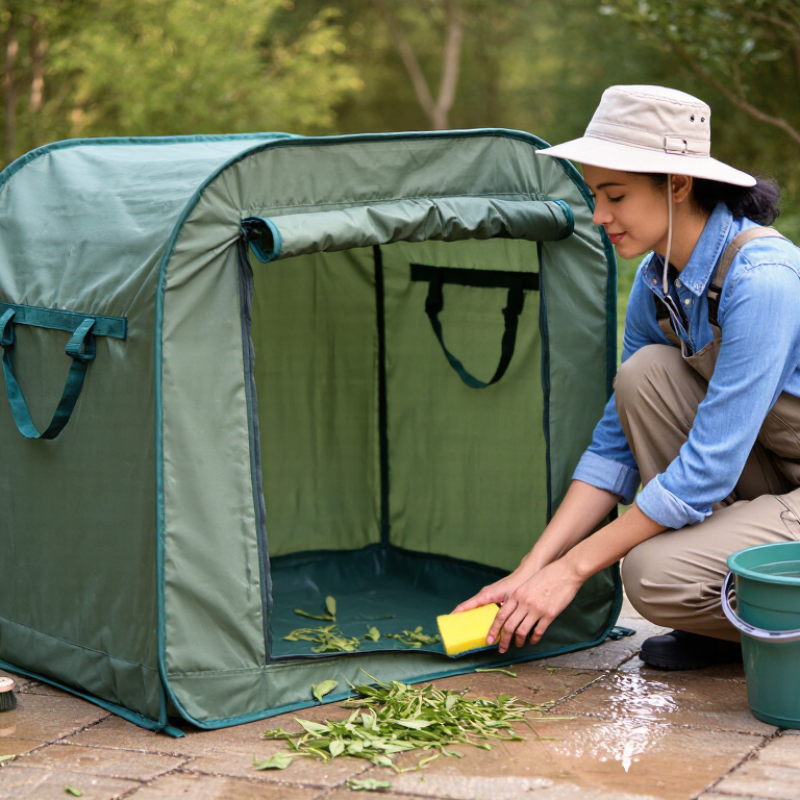
Most washable bags need mild soap, cool water, and a soft sponge. Rinse carefully until no foam remains. Then open the bag fully and air-dry it in a shaded, ventilated place. Direct sunlight may fade some materials, although brief exposure can help reduce surface dampness. Check the manufacturer’s instructions before using a washing machine. Not every fabric supports machine cleaning.

I have made one mistake myself: storing a bag too soon after rinsing. It smelled stale later. That small oversight matters. Inspect the handles, seams, support bands, and drainage areas before storage. If the fabric remains damp, wait longer. Clean tools help, but careful drying often makes the bigger difference.
China Best Reusable Garden Pop Up Bags How to Clean?

Identify 300D–600D Oxford Fabric and Remove Loose Garden Debris

China Best Reusable Garden Pop Up Bags How to Clean?

Identify the fabric before washing. A 300D Oxford fabric usually feels lighter and bends easily. A 600D fabric feels denser, stronger, and less flexible. Denier describes yarn thickness, not complete fabric quality. Check the sewn label, coating, stitching, and underside. Do not trust touch alone. That shortcut fails.

Remove loose garden debris while the bag is dry. Empty soil, leaves, twigs, and grass clippings outdoors. Shake the bag gently, then brush corners with a soft nylon brush. A low-suction vacuum can collect fine dust. Avoid sharp tools because they may damage the coating. The 2024 Textile Exchange Material Market Report records global fiber production at about 124 million tonnes in 2023, making repeated use and careful maintenance increasingly practical.

For routine cleaning, use lukewarm water and a small amount of mild detergent. Wipe the 300D–600D Oxford surface with a soft sponge. Rinse thoroughly, especially around folded seams. Never use bleach, aggressive solvents, or very hot water. Air-dry the bag fully in shade before storage. Moisture left inside can create odor and mildew. Inspect handles and base panels afterward. A 2023 U.S. Environmental Protection Agency report identifies textiles as a significant waste stream, yet I still find cleaning advice too general. Fabric coatings differ, so test a hidden area first.

Pre-Treat Soil Stains with pH-Neutral Detergent at pH 6–8

China Best Reusable Garden Pop Up Bags How to Clean?

Empty the reusable garden pop-up bag outdoors. Shake out loose soil, leaves, and small stones. Check the care label before washing. Some bags have coated fabric or reinforced seams that need gentler treatment. Use a soft brush to remove dry soil without grinding it deeper into the fibers.

Pre-treat wet soil stains with a pH-neutral detergent between pH 6 and 8. Mix a small amount with lukewarm water. Dab the solution onto the stain using a clean cloth. Leave it for five to ten minutes, then brush gently in one direction. Avoid bleach, strong alkaline cleaners, and abrasive powders. They may weaken the fabric coating or fade its color. Test the mixture on a hidden corner first.

Rinse with clean water until no slippery residue remains. Do not twist the bag sharply, because repeated stress can distort the pop-up frame. Press out excess water with a towel, then open the bag fully in a shaded, ventilated place. Let every seam dry before folding it away. Never store it while damp. I once rushed this step, and a faint musty smell appeared later. The stain was gone, but the cleaning process still needed improvement. A second gentle wash solved it. Inspect the handles and frame after drying. Small tears are easier to notice before the next gardening session.

Hand-Wash the Pop-Up Bag in Water Below 40°C

China Best Reusable Garden Pop-Up Bags: How to Clean?

Hand-Wash the Pop-Up Bag in Water Below 40°C

Reusable garden pop-up bags collect leaves, grass, and damp soil during regular yard work. Proper cleaning helps preserve their fabric, handles, and flexible frame. In practical use, hand-washing is gentler than using a washing machine. The safest water temperature is below 40°C.

Empty the bag outdoors before washing. Remove leaves by hand and shake out loose soil. Fill a basin with cool or lukewarm water. Keep the water below 40°C. Add a small amount of mild detergent. Gently press the fabric under the water and rub dirty areas with a soft cloth. Avoid twisting, scrubbing harshly, or using bleach. These actions may weaken the coating or distort the bag’s shape. For stuck soil, soak the affected area for several minutes.

Rinse the bag until no soap remains. I once rushed this step, and leftover detergent attracted dust after drying. Let the bag air-dry fully in a shaded, well-ventilated place. Do not place it near a heater or under strong midday sunlight. Heat can affect synthetic fabric and flexible supports. Keep the bag open while drying. Check the seams, handles, and frame before storage. A small tear can grow when the bag carries wet garden waste. Store it dry and loosely folded, rather than compressed under heavy tools.

Rinse Thoroughly and Avoid Chlorine Bleach or Solvent Cleaners

China Best Reusable Garden Pop Up Bags: How to Clean

After emptying a reusable garden pop-up bag, shake out loose leaves and soil. Rinse the inside and outside with clean water, paying attention to seams where damp dirt can collect. A gentle stream usually works better than a hard spray that may strain the fabric. If residue remains, use a little mild soap and a soft cloth. Rinse thoroughly until no suds remain. Soap left behind can attract more dirt as the bag dries.

Avoid chlorine bleach and solvent cleaners. They may weaken fabric, fade colors, or damage coatings, depending on the bag’s material. Check the care label before using any cleaner, since construction varies. It is easy to rush the drying step. Open the bag fully and let it air-dry in a shaded, well-ventilated spot. Make sure the seams and base are dry before folding it away.

Tips: Brush off dry debris before rinsing to avoid making muddy streaks. For sticky plant residue, soak a cloth in mild soapy water and dab gently; do not scrub aggressively. Rinse again with clean water. Let it drain. If an odor remains, give the bag more time to air out instead of reaching for strong chemicals.

How to Clean Reusable Garden Pop-Up Bags

Rinse the bag thoroughly with clean water after use and allow it to dry completely. A mild soap solution may be used when needed, while chlorine bleach and solvent-based cleaners should be avoided because they can damage fabric coatings, seams, or synthetic materials.

Air-Dry Completely Below 60% Humidity Before Folding and Storage

Reusable garden pop-up bags often hold wet leaves, soil, and grass clippings. Empty the bag outdoors and shake away loose debris. Remove small stones from the bottom seams. Rinse the fabric with clean water and use mild soap for stubborn stains. A soft brush works well around handles and folded edges. Avoid harsh chemicals, boiling water, and aggressive scrubbing. They may weaken the fabric coating. I once focused on the visible dirt and missed damp soil inside a seam.

After washing, open the bag fully and stand it upside down. Separate every layer, including the base and handle folds. Water trapped in these areas can create a musty smell or mildew. Let the bag air-dry in a bright, shaded, well-ventilated place. Direct, intense sunlight may fade or stress some materials. Use a small hygrometer to check the storage area. Humidity should remain below 60% before folding and storage. Do not rely only on touch. The surface may feel dry while the inner seams remain damp. Wait longer after rainy-weather cleaning. A fan can improve airflow, but heat should be gentle and indirect. I sometimes hurry this step, and that mistake is easy to repeat. Fold only when the fabric, seams, handles, and base feel completely dry. Store the folded bag in a cool, dry cabinet, away from wet tools and soil.

FAQS

How should I prepare the garden pop-up bag before cleaning?

Empty it outdoors. Shake out leaves, loose soil, and small stones. Check the care label and inspect coated fabric.

What water temperature is safest for hand-washing?

Use cool or lukewarm water below 40°C. Hot water may affect synthetic fabric and flexible supports.

How can I treat wet soil stains?

Mix pH-neutral detergent, between pH 6 and 8, with lukewarm water. Dab it on the stain and wait five to ten minutes.

What should I use to remove dry soil?

Use a soft brush. Brush in one direction without grinding soil deeper into the fibers.

Should I use bleach or strong cleaners?

No. Avoid chlorine bleach, solvents, abrasive powders, and strong alkaline cleaners. They may fade colors or weaken coatings.

How should I rinse the bag?

Rinse inside and outside with clean water. Check seams carefully. Continue until no soap or slippery residue remains.

How can I dry the bag safely?

Press out water with a towel. Open the bag fully in a shaded, ventilated place. Let every seam dry completely.

Can I twist or machine-wash the bag?

Avoid sharp twisting and machine washing. Repeated stress can distort the pop-up frame and damage reinforced seams.

How should I store the bag after cleaning?

Store it completely dry and loosely folded. Keep it away from heavy tools. Damp storage may create a musty smell.

What should I inspect before the next use?

Check the handles, seams, base, and frame. Small tears are easier to repair early. I once rushed drying, and the odor returned later.

Conclusion

Reusable garden pop-up bags are often made from durable 300D–600D Oxford fabric, but soil, leaves, and plant residue can still build up after use. To begin, empty the bag and remove loose debris by hand or with a soft brush. For visible soil stains, apply a small amount of pH-neutral detergent, ideally with a pH of 6–8, and gently work it into the fabric before washing.

If you are wondering how to clean reusable garden pop up bags, hand-wash them in water below 40°C and avoid vigorous scrubbing that could damage the material or frame. Rinse thoroughly so no detergent remains, and do not use chlorine bleach or solvent cleaners. After washing, open the bag fully and let it air-dry until completely dry. Store it only when humidity is below 60% and the fabric is dry, then fold it carefully to help prevent mildew and preserve its shape.

Oliver

Oliver

Oliver is a seasoned marketing professional with a wealth of expertise in driving brand awareness and engagement. With a deep understanding of our company's product offerings, he consistently delivers high-quality content that enriches our professional blog. His insights not only shed light on......