When planning a raised bed garden, one might wonder, what are the best plants for raised beds? Choosing the right plants can make all the difference in your gardening success. Raised beds offer excellent drainage and soil quality, making them ideal for many plant varieties. However, not every plant thrives in this environment.
Consider your growing conditions, such as sunlight and climate. These factors will influence your choices. Take note of your space. Some plants, like tomatoes, need more room to grow, while others, such as lettuce, can be planted closer together. It’s essential to reflect on your gardening goals. Do you want a bountiful harvest or a vibrant display of flowers?
Experimentation is key. You may not always get it right on the first try. Observe which plants flourish and which struggle. Some may take time to adapt, while others may not thrive at all. Gaining experience through trial and error will enhance your gardening skills. With a little reflection and knowledge, you’ll find what are the best plants for raised beds for your particular needs.
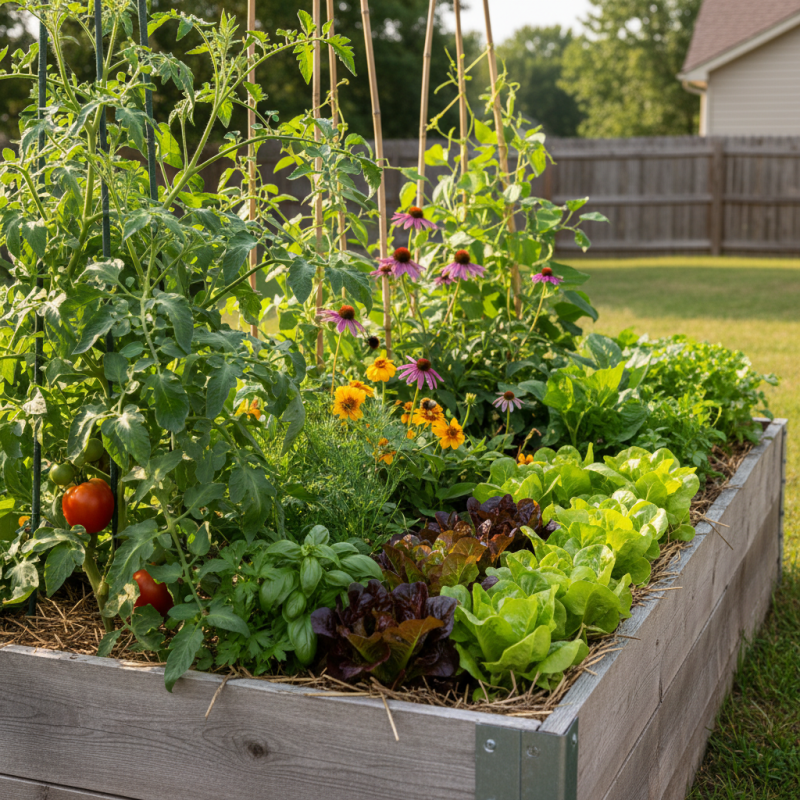
Choosing the right plants for your raised beds can transform your gardening experience. Consider sunlight and climate conditions. Some plants thrive in full sun, while others prefer partial shade. Assess your local weather patterns to figure out what will grow best.
Soil quality is another important factor. Test your soil pH and nutrient levels. A good balance will help plants flourish. Some plants, like tomatoes, need richer soil. Others, such as lettuce, can grow in simpler conditions.
Plant size and growth patterns also play a role. Densely planted beds can lead to competition for resources. Think about how tall plants may shade shorter ones. It’s crucial to visualize the space and plan accordingly. Take notes on what works and what doesn’t. This ongoing process of observation can lead to better choices in the future.
When selecting vegetables for raised bed gardening, consider the space you have. Raised beds offer good drainage and warmth, which many plants thrive in. Leafy greens like spinach and lettuce grow well in these beds. They require less space and can be harvested multiple times. Their quick growth makes them rewarding for beginners.
Tomatoes and peppers also do well in raised beds. They enjoy the sunlight and can produce a bountiful harvest. Plant them with enough spacing to promote air circulation. However, be cautious of overcrowding; it can hinder their growth and lead to disease. Experiment with companion planting. Some plants can support each other. Beans, for instance, can fix nitrogen in the soil, benefiting neighboring plants.
Lastly, reflect on your choices. Not every vegetable may flourish in your particular environment. Some may struggle due to pests or weather changes. It’s essential to observe and adapt. Gardening is a learning process. Keeping a gardening journal can help track what works and what doesn’t.
When selecting herbs for raised beds, consider their growth habits and environmental needs. Many herbs thrive in these conditions. For example, basil loves the warm sun. It can grow tall and bushy. Rosemary, another excellent choice, prefers well-draining soil and consistent moisture. Its aromatic leaves add flavor to many dishes.
Mint is a robust herb that can spread quickly. Be mindful of its growth; planting it in a separate container helps control its spread. Thyme is another great option. It requires little water and can survive poor soil conditions. Its hardy nature makes it suitable for beginners.
Remember to consider the herbs' compatibility. Some varieties thrive together, while others may compete for resources. Reflect on your raised bed's orientation to sunlight and shade throughout the day. This will influence your herbs' growth. Experimenting with different herb combinations can lead to a rewarding harvest, even if it doesn’t always go as planned.
Creating a thriving raised bed garden involves selecting the right flowers and companion plants. Companion planting enhances growth, deters pests, and maximizes space. Certain flowers attract pollinators, which are beneficial for nearby vegetables.
Consider planting marigolds among your vegetables. They produce a scent that repels harmful insects. Nasturtiums also serve as a trap crop. Aphids prefer them over your vegetables. This relationship creates a healthy ecosystem in your garden.
Tips:
Planting chamomile can improve the health of your soil. It adds essential nutrients and attracts beneficial insects. Incorporate borage, which supports tomato plants. Its presence increases yield and enhances flavor.
Lastly, reflect on your choices. Not every combination works perfectly. Monitor plant behavior and make adjustments as needed. Each garden is unique. Embrace the learning process.
When planning a garden, seasonal factors greatly influence plant selection for raised beds. Different plants thrive in different seasons. Cool-weather crops like lettuce and kale are ideal for early spring and fall. They grow quickly and enjoy mild temperatures. In contrast, warm-weather crops such as tomatoes and peppers flourish during the summer. Understanding local climate nuances makes this planning easier.
Consider the stages of plant growth. Some plants take longer to mature than others. For instance, carrots and beets have a longer growing period compared to radishes. Mixing fast-growing greens with slower crops can optimize space and yield. Intercropping creates a thriving environment and fosters diversity in your garden.
Seasonal shifts also impact soil nutrients and pest activity. Regularly examining the soil quality ensures your plants receive adequate nutrients. Droughts or heavy rains can alter soil conditions as well. Keeping a journal helps track these changes and improve future decisions. Reflecting on what worked well or poorly in past seasons can guide future plant selections. This process enhances your gardening experience over time.
| Plant Type | Optimal Season | Sunlight Needs | Water Requirements | Companion Plants |
|---|---|---|---|---|
| Tomatoes | Spring - Summer | Full Sun | Moderate | Basil, Carrots |
| Lettuce | Spring - Fall | Partial Sun | High | Radishes, Carrots |
| Carrots | Spring - Summer | Full Sun | Moderate | Lettuce, Onions |
| Bell Peppers | Spring - Summer | Full Sun | Moderate | Basil, Onions |
| Spinach | Spring - Fall | Partial Shade | High | Strawberries, Peas |
: Leafy greens like spinach and lettuce thrive well. They require little space and grow quickly.
They enjoy sunlight and produce abundant harvests. Ensure proper spacing for air circulation to avoid overcrowding.
It involves planting different species together that benefit one another. Beans can fix nitrogen in the soil for others.
Not all vegetables thrive in every environment. Pests and weather changes can affect growth, so reflection is crucial.
Basil, rosemary, mint, and thyme are good options. Their specific needs vary, so plan accordingly.
Mint can spread quickly. Plant it in a separate container to prevent it from overtaking other plants.
Certain flowers attract pollinators and deter pests. Marigolds and nasturtiums are effective companion plants for vegetables.
Reflect on the sunlight and shade in your raised bed. Different herbs have varying sunlight needs for optimal growth.
Planting chamomile adds nutrients and attracts beneficial insects, enhancing the overall health of your garden.
Not every combination will succeed. Monitor and adjust your planting choices to cater to your garden's unique needs.
When considering what are the best plants for raised beds, several factors come into play. It’s essential to assess the climate, soil quality, and sunlight exposure in your garden, as these elements significantly influence plant growth. The best vegetable options typically include quick-growing varieties like lettuce, radishes, and tomatoes, which thrive in the optimal conditions provided by raised beds.
Additionally, herbs such as basil, parsley, and rosemary perform well in these environments, offering flavorful additions to your kitchen. Incorporating companion flowers can enhance the aesthetics of your raised beds while also supporting beneficial insect populations. Lastly, seasonal planning is crucial as it allows you to select plants that are best suited for each time of year, ensuring a successful and bountiful garden throughout the growing season.

Beamer Garden