Why is My Greenhouse Too Hot and How to Fix It?

Time:2026-06-13 Author:Liam
0%

Growing plants in a greenhouse offers many benefits. However, many gardeners face a common problem: overheating. Dr. Jane Green, a greenhouse expert, states, “Understanding why is my greenhouse getting too hot is crucial for plant health.” Without proper temperature management, plants can suffer, resulting in stunted growth or even death.

Several factors contribute to the heat buildup in greenhouses. One major reason is inadequate ventilation. Stagnant air can trap heat inside, creating an environment that’s too warm for plants. Additionally, the greenhouse material itself can impact heat retention. For example, using clear plastic can amplify sunlight, intensifying warmth.

It’s essential to consider both the structure and environment. Shade cloths or strategic planting can help alleviate temperature issues. Keep in mind that even with the best intentions, creating an ideal greenhouse climate can be challenging. If your plants are wilting from heat stress, it may be time for some adjustments. Taking actionable steps towards better airflow and light management can foster a healthier growing space.
Why is My Greenhouse Too Hot and How to Fix It?

Understanding the Factors Leading to Excessive Heat in Greenhouses

Excessive heat in greenhouses can be a significant issue for plant growth. Several factors contribute to this problem. First, poor ventilation can trap heat inside the structure. When air circulation is insufficient, temperatures rise. Plants may suffer stress, leading to stunted growth or even death. Ensure adequate ventilation by using roof vents or side windows.

Another factor is the greenhouse materials. Some plastics and glass can intensify heat when exposed to sunlight. Dark-colored surfaces absorb more rays, raising the temperature inside. Consider lighter materials or shading options to minimize heat absorption. Monitor temperatures daily to identify patterns and adjust as needed.

Humidity also plays a role in heat retention. High humidity can prevent effective cooling. It may create a greenhouse environment that feels hotter than it is. Regularly check humidity levels and utilize dehumidifiers if necessary. Maintaining a balance between heat, humidity, and airflow is crucial for a thriving greenhouse.

Identifying Signs of Overheating in Your Greenhouse Environment

Overheating in a greenhouse can create a challenging environment for your plants. Signs of excessive heat include wilting leaves, drooping stems, and burnt foliage. If you notice these symptoms, it's crucial to act quickly. Plants can suffer irreversible damage without proper intervention. Monitoring temperature regularly helps you identify problems early.

Another sign of overheating is increased humidity. Excessive moisture can lead to diseases like mold and mildew. If you detect a musty smell or see condensation on glass, the greenhouse is too humid. Proper ventilation is vital. Open windows and vents to promote airflow and reduce heat build-up.

Consider the placement of your greenhouse. If it receives too much direct sunlight, it may be time to rethink its location or add shading. Using shade cloth can greatly help lower temperatures. Reflective materials placed strategically can also redirect sunlight. Focus on creating a balanced environment, and your plants will thrive.

Effective Ventilation Techniques to Lower Greenhouse Temperatures

In a greenhouse, high temperatures can stifle plant growth. Effective ventilation is crucial. Proper airflow helps regulate temperature and humidity. Use vents to create cross-ventilation. Open roof vents and side panels to allow hot air to escape. This technique promotes a cooler environment.

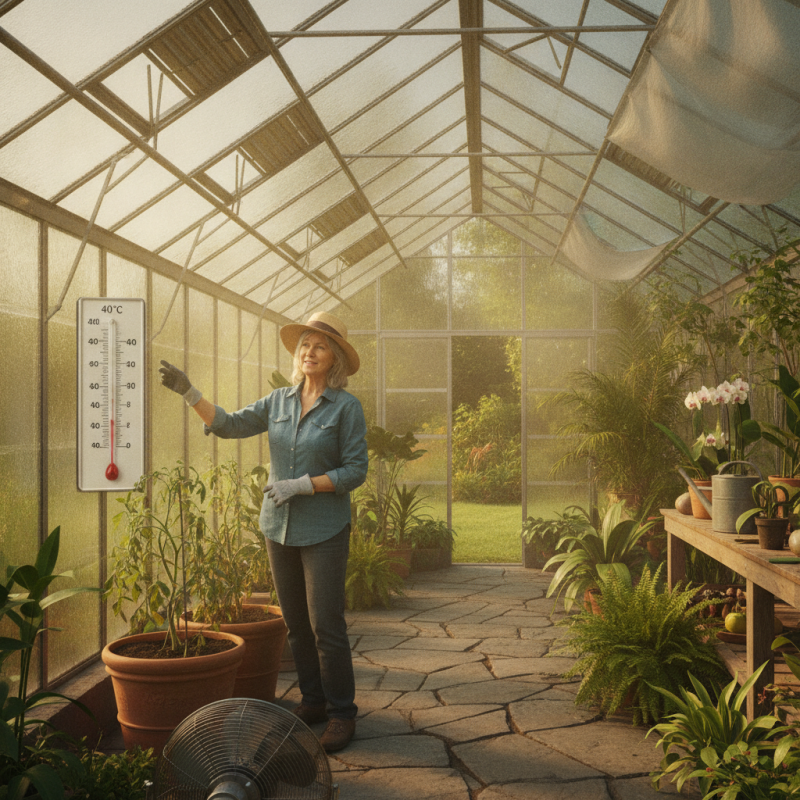
Fans are another great option. Install oscillating fans to circulate air evenly. They help prevent hotspots. However, fans can only do so much. If temperatures soar, shaded areas might be necessary. Consider adding shade cloths to block direct sunlight. This will aid in lowering greenhouse temperatures significantly.

Monitoring conditions is essential. Use thermometers to track temperature fluctuations. Be prepared to adjust your ventilation strategies. Observing patterns will guide your efforts. Experiment with different ventilation methods. Identifying the right combination takes time. Each greenhouse is unique, and finding the perfect balance is a process.

Utilizing Shade Cloth and Other Materials for Heat Management

Managing heat in a greenhouse can be challenging. Heat stress affects plant growth and yields. A study found that excessive temperatures can reduce crop yields by 30-50%. Using shade cloth is an effective strategy to combat this issue. Shade cloths reduce sunlight penetration, lowering temperatures inside the greenhouse.

The specific materials you choose can greatly impact effectiveness. Different shade cloths offer varied levels of UV protection and light diffusion. High-density polyethylene (HDPE) materials provide a balance between shading and air circulation. They can lower inside temperatures by 10 to 20 degrees Fahrenheit. However, not all plants prefer the same amount of shade. Referencing industry reports, leafy greens thrive in 25-50% shade, while fruiting plants may require less.

You can also incorporate other materials for heat management. Ventilation is crucial. Automatic roof vents and side vents promote airflow, reducing heat buildup. Reflective materials on the roof can help deflect sunlight away from the greenhouse. Yet, reliance on technology alone can lead to over-dependence, which might backfire during power outages or system failures. Recognizing that a multi-faceted approach can yield better results is essential.

Implementing Heat-Resistant Plant Varieties for Optimal Growth

Heat management in a greenhouse is crucial for thriving plants. One effective solution is to focus on using heat-resistant plant varieties. These plants are better equipped to handle higher temperatures, ensuring they remain healthy even in challenging conditions. Varieties like heat-tolerant tomatoes and peppers can thrive when temperatures soar. Choosing these types can lead to a more resilient garden.

Implementing these plants does require research and planning. Some gardeners might face challenges in finding the right varieties. Not all heat-tolerant plants will flourish in every region. Local climate conditions can influence growth. It's essential to consider your specific environment before selecting heat-resistant options.

Moreover, understanding the growth habits of these plants is vital. Heat-resistant varieties may still need adequate water and care. Overlooking these factors can lead to poor outcomes. Keep in mind that even heat-resistant plants have their limits. Regular monitoring is key to ensure optimal growth and success.

FAQS

: Why is ventilation important in a greenhouse?

: Ventilation helps regulate temperature and humidity, promoting healthy plant growth.

How can I create good airflow in my greenhouse?

Use vents, open roof vents, and side panels to allow hot air to escape.

What are some effective fan options for greenhouses?

Install oscillating fans to circulate air evenly and prevent hotspots.

Can shade cloths help reduce greenhouse temperatures?

Yes, shade cloths block direct sunlight, aiding in significant temperature reduction.

How can I monitor temperature changes in my greenhouse?

Use thermometers to track fluctuations and adjust ventilation strategies as needed.

What should I consider when choosing heat-resistant plant varieties?

Research local climate conditions and ensure the plants will thrive in your area.

Do heat-resistant plants still require care?

Yes, they need adequate water and care for optimal growth.

Can all heat-resistant plants grow in every region?

No, local climate impacts their ability to thrive; choices must align with specific environments.

How long does it take to find the right ventilation methods?

Identifying the perfect balance in ventilation methods can be a time-consuming process.

What happens if I overlook care for heat-resistant plants?

Ignoring their needs can lead to poor outcomes and compromised plant health.

Conclusion

In addressing the question of "why is my greenhouse getting too hot," it's essential to understand the various factors that contribute to excessive heat accumulation within these structures. Overheating can stem from poor ventilation, unfiltered sunlight, and inadequate cooling measures. Identifying the signs of overheating is crucial; these can include wilting plants and excessive humidity.

To mitigate high temperatures, effective ventilation techniques are vital, such as installing vents and exhaust fans to promote air circulation. Additionally, utilizing shade cloth and other materials can significantly reduce direct sunlight exposure, helping maintain a stable environment. Adopting heat-resistant plant varieties can also enhance growth under warmer conditions, ensuring that your greenhouse remains a lively and productive space despite external temperature fluctuations.

Liam

Liam

Liam is a dedicated marketing professional with a profound expertise in the industry, where he excels at highlighting the unique advantages of our core products. With a keen understanding of market trends and consumer needs, Liam frequently updates our company’s professional blog, providing......