Understanding "what is the difference between a greenhouse and a cold frame" is crucial for gardeners. Both structures serve to extend the growing season. However, they differ significantly in functionality and design. Greenhouses offer a controlled environment for a variety of plants, allowing for year-round cultivation. According to industry reports, the global greenhouse market is projected to reach $43 billion by 2025, reflecting a growing interest in efficient plant growth.
In contrast, cold frames provide a simpler, more inexpensive option. These structures use sunlight to heat the soil and protect plants from frost. A study by the American Society for Horticultural Science notes that cold frames can increase vegetable yields by up to 50%. Yet, they require attentive management. Mistakes like inadequate ventilation can lead to plant stress or even death.
Awareness of these nuances helps gardeners make informed choices. Whether opting for a greenhouse or a cold frame, understanding their distinct roles enhances gardening success. Grasping the differences is essential for anyone aiming to improve their gardening practices.
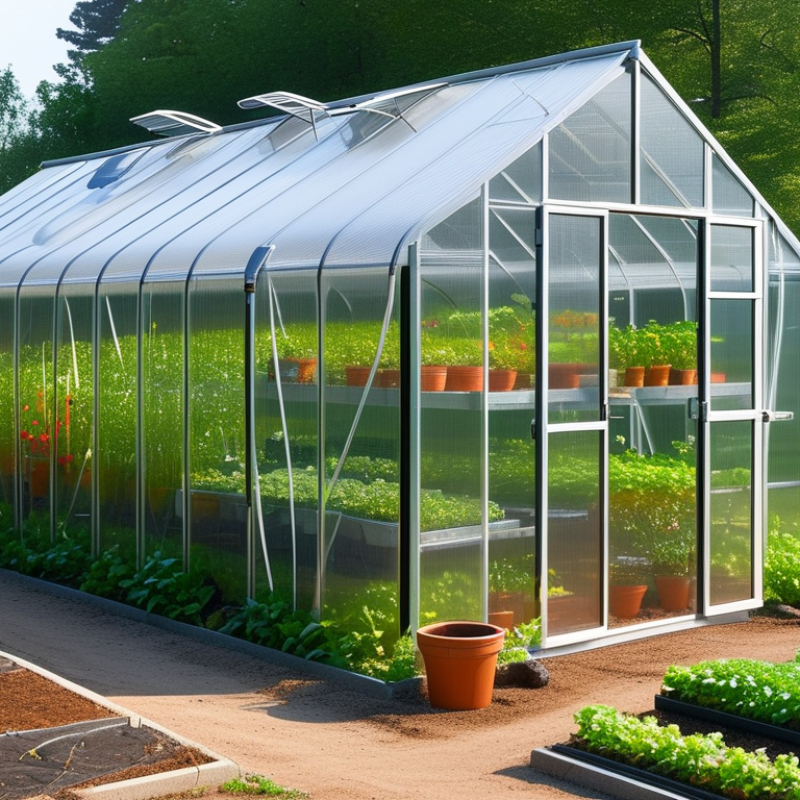
When comparing greenhouses and cold frames, one key difference is their structure. A greenhouse is a large, often permanent structure made of glass or plastic. It allows ample sunlight to enter while providing insulation. This design creates a warm environment for plants, enabling year-round gardening. The height and space in a greenhouse can accommodate taller plants and larger setups.
In contrast, cold frames are typically smaller. They consist of a simple, low structure often made of wood and covered with glass or plastic. Cold frames are easier to construct and can be moved. They provide limited protection from cold weather. However, their size restricts the amount of plants you can grow. This simplicity can be both an advantage and a drawback. While they are accessible for beginners, the space restriction might hinder more ambitious gardening plans.
Understanding these structural differences can help you decide what suits your gardening needs. It’s important to weigh your options and consider how much commitment you're ready to make. Reflecting on these aspects will improve your gardening experience.
Greenhouses and cold frames are both essential structures for gardeners. Each has its unique way of managing temperature and providing warmth to plants. A greenhouse typically uses glass or plastic to trap heat from sunlight. This allows the internal temperature to rise and sustain a warm environment, often exceeding outside temperatures by 10 to 30 degrees Fahrenheit. According to the USDA, these structures can extend the growing season significantly, especially in colder climates.
In contrast, cold frames are simpler, often constructed with transparent materials over a low, framed structure. They rely mainly on solar radiation. During sunny days, cold frames can reach temperatures 10 to 20 degrees higher than the outside air. However, they do not retain heat as efficiently as greenhouses at night. Research from the University of California highlighted that cold frames are effective for protecting young plants and starting seedlings but require more careful monitoring during temperature fluctuations.
Both methods present challenges. While greenhouses offer a controlled environment, they can overheat in direct sunlight if ventilation isn’t maintained. Cold frames demand frequent adjustments based on daily temperature changes. Forgetting to vent can cause drought or frost damage, leading to plant loss. Understanding these nuances can help gardeners choose the right structure for their needs.
When contrasting greenhouses with cold frames, light exposure becomes a pivotal factor. Greenhouses, typically constructed with transparent materials, allow maximum sunlight infiltration. This extensive light exposure promotes photosynthesis, leading to potentially higher crop yields. Reports indicate that greenhouses can boost plant growth by up to 30% compared to open fields, given appropriate sunlight management.
On the other hand, cold frames serve as smaller, more direct solutions. They capture sunlight but offer limited space and protection. While they can extend the growing season, the efficiency heavily relies on the local climate and placement. Too much sunlight can overheat plants, especially during sunny mornings. An analysis from the American Society for Horticultural Science noted that growers often underestimate the shading needs of delicate seedlings.
Managing light requires careful observation. Some growers struggle with balancing natural light and shade. Cold frames can risk scorching plants if not monitored properly. Greenhouses need ventilation to prevent overheating. Understanding these nuances leads to improved practices. Innovative shading techniques, like using shade cloth, can enhance growth and protect plants from excessive sun exposure.
When comparing a greenhouse to a cold frame, ventilation and humidity play crucial roles in their effectiveness. A greenhouse typically has vents or windows that can be opened. This feature allows fresh air to circulate. The controlled environment helps maintain humidity levels, which is vital for plant health.
In contrast, a cold frame relies on a simple design. It often has a transparent lid but lacks adjustable ventilation. This can lead to humidity issues. If not monitored closely, damp conditions may cause mold. Regularly checking for moisture buildup is necessary. It's easy to overlook this detail, leading to compromised plant health.
Understanding the balance between humidity and ventilation can improve plant growth. A greenhouse offers more control, while a cold frame is simpler but may require more attention. The choice between both depends on the gardener's goals and resources. Reflecting on these aspects will guide better decisions in gardening practices.
When considering investment in gardening structures, both greenhouses and cold frames have unique cost-effectiveness profiles. A typical greenhouse can range from $5,000 to $30,000 based on materials and size. In contrast, constructing a cold frame may cost around $100 to $500. This discrepancy makes cold frames attractive for hobbyist gardeners. They offer a budget-friendly way to extend the growing season without substantial capital outlay.
Maintenance costs also differ significantly between the two. Greenhouses often require additional heating, cooling, and ventilation systems. A 2022 report from the American Society of Horticultural Science indicates that heating a greenhouse can add $200 to $800 annually. Meanwhile, cold frames generally depend more on sun exposure and do not need elaborate systems. This reduces ongoing expenses and makes cold frames easier to manage, particularly for less experienced gardeners.
However, cold frames have limitations. They provide less growing space and less protection from pests and extreme weather. Gardeners must weigh these factors against their budget and goals. Greenhouses, while costlier, offer long-term benefits, supporting a larger variety of plants and crops. Reflecting on these aspects can help make a more informed decision for your gardening needs.
: Greenhouses are large, permanent structures that allow sunlight and provide insulation, while cold frames are smaller and simpler.
Greenhouses have vents for air circulation; cold frames usually lack adjustable ventilation, leading to potential humidity issues.
Greenhouses typically cost between $5,000 and $30,000, while cold frames cost around $100 to $500, making cold frames more budget-friendly.
Greenhouses may incur heating costs of $200 to $800 annually, while cold frames are cheaper to maintain since they rely on sunlight.
Beginners might find cold frames easier to manage, but limited space could hinder their gardening ambitions.
Yes, without adjustable ventilation, cold frames can have damp conditions, leading to mold if not monitored regularly.
Greenhouses allow for a larger variety of plants and crops and provide better protection from pests and extreme weather.
Reflect on your commitment level, gardening goals, and space before making a choice between a greenhouse and a cold frame.
Cold frames restrict growing space and offer less protection from pests, limiting gardening potential for more ambitious plans.
When considering what is the difference between a greenhouse and a cold frame, it is essential to examine several factors. Firstly, their structures differ significantly; greenhouses are usually larger and more permanent, designed for year-round plant growth, while cold frames are smaller, movable, and only provide a controlled environment for specific plants during the colder months.
Temperature control is another vital aspect, as greenhouses maintain warmth through various heating methods, while cold frames rely more on passive solar energy. Light exposure and the management of sunlight also differ, with greenhouses allowing for adjustable light through their design, while cold frames typically receive direct sunlight but may require repositioning. Finally, cost-effectiveness comes into play, with greenhouses involving higher initial investments and maintenance, whereas cold frames are more economical and simpler to manage for short-term use.

Beamer Garden