Choosing soil for raised beds in 2026 is not about buying the darkest bag. It means matching texture, fertility, drainage, and local climate. Gardeners face hotter summers, heavier rainfall, and longer growing seasons in many regions. A mix that works in a cool, wet yard may fail beside a sun-baked patio. So, what is the best soil mix for raised beds? The honest answer depends on your crops, bed depth, water access, and locally available materials. There is no universal recipe.
A dependable starting point combines screened topsoil, mature compost, and lightweight aeration material, such as pine bark or coarse perlite. A practical ratio might include 50 percent topsoil, 30 percent compost, and 20 percent aeration material. Yet ratios are only a starting point. Compost quality varies widely. Too much may cause settling, excess salts, or lush leaves with weak fruit. Feel the mix. It should crumble in your hand, hold slight moisture, and drain without becoming dusty or muddy. Shortcuts can be expensive.
This guide compares blends for vegetables, herbs, flowers, and deep-rooted crops. It also considers pH, nutrient testing, sustainability, and long-term bed maintenance. Experienced growers know the first season can be misleading. A rich mix may look excellent, then compact after repeated watering. Test before guessing. A basic soil test, careful observation, and seasonal adjustment offer more reliable results than marketing claims. We will examine practical evidence, common mistakes, and realistic 2026 choices, including when store-bought blends justify their cost. Your best mix should support healthy roots, not merely impressive soil on delivery day.
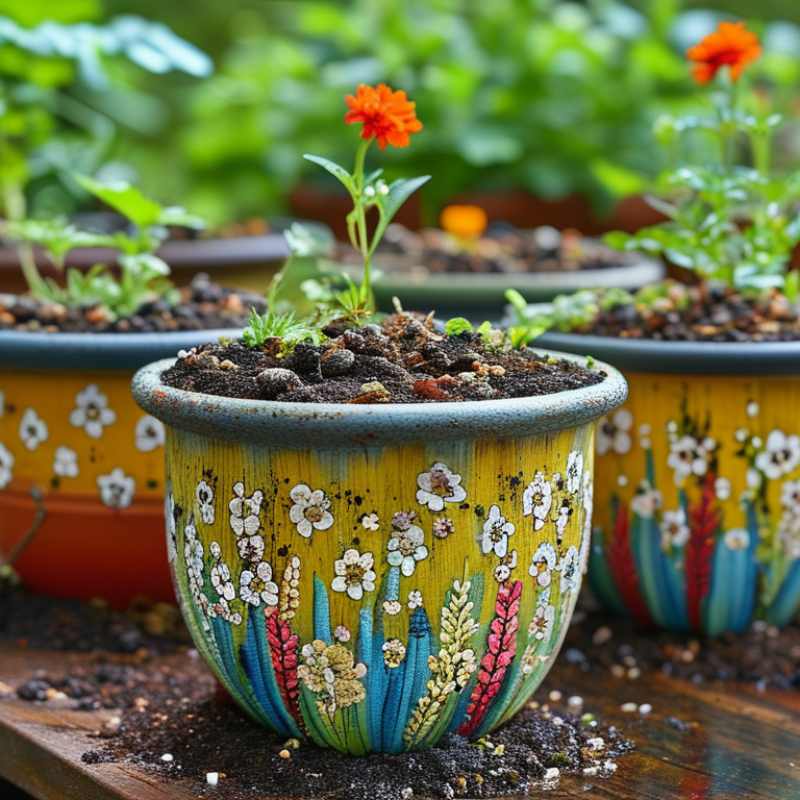
Raised-bed soil in 2026 must balance drainage, moisture, nutrients, and long-term structure. Unlike ground soil, it has limited contact with surrounding earth. Water can disappear quickly, especially during hotter summers. A dependable mix usually combines screened topsoil, mature compost, and coarse material for airflow. Avoid filling the entire bed with compost. It can shrink, hold excess moisture, and release nutrients too quickly.
Test the soil before planting. A laboratory report can show pH, salinity, and major nutrient levels. Most vegetables perform well in slightly acidic to neutral soil. Aim for a crumbly texture that stays together briefly when squeezed. It should not form a sticky ball. Add organic matter gradually, because excessive amendments may disturb nutrient balance. Raised beds also need enough depth for the crop. Leafy greens may grow in 20 centimeters, while carrots and tomatoes need more room.
From my own bed-building experience, drainage is easy to underestimate. One mix looked perfect in spring but became compacted after repeated watering. I had used too much fine compost. That mistake taught me to check soil texture after heavy rain, not only on planting day. In 2026, gardeners should also consider water restrictions and irregular rainfall. Mulch can reduce evaporation, while small amounts of biochar may help structure when properly charged. Results vary. Keep records of moisture, growth, and soil changes each season.
Choosing soil for a raised bed starts with function, not color or smell. A dark mix can still drain poorly. In my own beds, heavy compost settled after rain and left young roots short of oxygen. That mistake changed how I evaluate every ingredient. I now examine structure, moisture, and each crop’s needs before filling a bed.
Topsoil provides mineral content and weight, but it may compact when used alone. Compost supplies organic matter and nutrients, yet too much can hold excess water or release nutrients unevenly. Coarse materials, such as aged bark or mineral grit, create air spaces and improve drainage. Coconut fiber or leaf mold can support moisture retention during hot weather. Use clean, mature materials with a mild earthy smell. Test pH and, when possible, nutrient levels. The right balance depends on rainfall, bed depth, and the vegetables being grown. Root crops need a looser texture. Leafy crops often tolerate more moisture.
Tips: Squeeze a handful when the mix is slightly damp. It should form a loose ball, then crumble with a gentle touch. If water runs through instantly, add moisture-holding organic matter. If the sample stays muddy, add coarse aeration material. I still adjust beds seasonally; one recipe rarely works perfectly. Watch the first few weeks. Pale leaves, standing water, or stunted roots provide useful evidence.
The best raised-bed soil mix depends on what you grow, where you garden, and how your bed drains. Leafy greens prefer a fine, moisture-holding mix with mature compost and screened topsoil. Tomatoes, peppers, and squash need deeper soil with steady nutrients and strong drainage. Root crops need loose, stone-free soil. Carrots notice every clump.
In wet climates, reduce moisture-holding materials and add coarse mineral particles, such as washed grit. Keep the bed sides open or add drainage gaps when rainfall is heavy.
In dry climates, increase compost and include organic matter that holds water without becoming sticky. Mulch the surface with leaves or straw. Roots need air.
I once used a rich mix in a shallow bed, and the herbs stayed wet after rain.
Bed design changes the recipe. A 15-centimeter bed suits lettuce and herbs, while tomatoes and beets usually perform better with 30 centimeters or more. Fill deep beds with a stable base layer, then use finer soil near the planting zone.
Check texture by squeezing a damp handful; it should hold briefly, then crumble. Test the pH before adding amendments, because guessing can create new problems.
Soil mixes are not universal. My own beds improve after each season, but some early measurements were wrong.
A raised bed’s soil volume is easy to underestimate. Measure its length, width, and planned depth in feet, then multiply them. An 8-by-4-foot bed filled to 12 inches needs 32 cubic feet before settling. I usually add about 10 percent for shrinkage. That allowance is practical, not exact.
Divide the final cubic-foot figure by 27 to estimate cubic yards. For example, 35 cubic feet equals roughly 1.3 cubic yards. Recheck the bed’s depth near the corners, where soil often settles unevenly.
Different mixes suit different beds. A dependable vegetable blend combines screened topsoil, mature compost, and an aerating material. Topsoil supplies structure, compost adds organic matter, and aeration protects roots from standing water.
Equal parts can work, but they are only a starting point. Wet locations may need less dense soil and more coarse material. Dry climates may benefit from additional compost, though excessive compost can hold salts.
Bagged mixes suit small beds, while bulk soil usually costs less per cubic foot.
Test before ordering a large quantity. Fill a small container, wet the mix, and watch how quickly water drains. Grab a handful afterward. It should hold its shape briefly, then crumble.
I once trusted a volume estimate without checking settling and came up short. That mistake changed my method. Leave a little room for topping up, especially after the first heavy rain.
A good raised-bed mix is not permanent. It changes as compost settles, roots consume nutrients, and rain moves soluble minerals downward. I test each bed every spring, using samples from six locations and a depth of 15 centimeters. Most vegetables perform well around pH 6.0–7.0, a range supported by soil guidance from the University of Minnesota Extension. The report also recommends testing organic matter and nutrient levels, not guessing from leaf color.
Watch the structure.
USDA Natural Resources Conservation Service guidance lists infiltration, bulk density, and soil organic matter as useful soil-quality indicators. In practice, I squeeze a moist handful. It should hold briefly, then crumble when touched. If it forms a hard ribbon, I add mature compost and loosen only the upper layer. I avoid adding fresh manure. It can raise salt levels and introduce pathogens. The U.S. Composting Council’s TMECC framework also emphasizes compost maturity, stability, moisture, and contaminant testing.
Each season, I record pH, nitrogen, phosphorus, potassium, and organic matter. I usually add 2–3 centimeters of screened compost, based on extension recommendations for gradual improvement. More is not always better. I once added too much and created dense, waterlogged soil after heavy rain. That mistake changed my routine: I now compare lab results with drainage, smell, and plant growth. Mulch protects the surface, while rotating crops reduces repeated nutrient demand. Soil needs observation, not a one-time recipe.
Combine screened topsoil, mature compost, and coarse material for airflow. Avoid filling the bed with compost alone. It may shrink and stay wet.
Add about 2–3 centimeters of screened, mature compost each season. More is not always better. Excess compost can compact after heavy rain.
Squeeze a slightly damp handful. It should form a loose ball, then crumble gently. That is the target.
Add moisture-holding materials such as coconut fiber or leaf mold. Mulch can also reduce evaporation during hot weather.
Add coarse bark or mineral grit to create air spaces. Check the bed after heavy rain, not only on planting day.
Leafy greens can grow in about 20 centimeters of soil. Carrots and tomatoes need greater depth for their roots.
Test it each spring, using samples from several locations. Check pH, salinity, organic matter, and major nutrients.
Most vegetables grow well between pH 6.0 and 7.0. A laboratory test is more reliable than guessing from leaf color.
Usually not. Rainfall, bed depth, crops, and weather change the results. Keep records of moisture, growth, drainage, and soil changes. I still adjust mine imperfectly.
Choosing the right soil for a raised bed in 2026 starts with understanding how drainage, moisture retention, fertility, and structure affect plant health. A balanced mix typically combines quality topsoil, mature organic matter, and an aerating material, but the ideal ratio depends on the crops, local climate, and bed design. Gardeners should ask, “what is the best soil mix for raised beds” while considering whether they are growing vegetables, herbs, flowers, or deep-rooted plants. Sandy conditions may require more moisture-holding organic matter, while wet climates call for improved drainage and airflow.
Before filling a bed, calculate its volume to avoid buying too little or creating unnecessary waste, then compare mix options by quality, cost, and long-term performance. Soil testing can reveal nutrient or pH problems, allowing targeted improvements with compost or appropriate amendments. Regular mulching, seasonal compost additions, careful watering, and crop rotation help maintain healthy soil structure and productivity over time.

Beamer Garden