How to Choose the Best Garden Fence Barriers for Your Needs?

Time:2026-03-30 Author:Isabella
0%

Choosing the right Garden Fence Barriers can significantly impact your garden's security and aesthetics. According to landscape architect Elizabeth Greer, “The right fence can enhance your garden’s beauty while providing the protection it needs.” With various options available, making an informed choice often feels overwhelming.

When selecting Garden Fence Barriers, consider your specific needs. Are you aiming for privacy, security, or decoration? Each purpose requires different materials and designs. For instance, wood fences offer warmth but require maintenance. Metal options provide durability but may appear cold. Understanding these factors is crucial for a satisfying choice.

Lastly, reflect on the potential downsides of your selection. Some fences may obstruct views or become a financial burden. Not all options are suitable for every landscape. Engaging with local experts can offer valuable insights. By analyzing your requirements and the surrounding environment, you can find the perfect Garden Fence Barriers that align with your gardening ambitions.
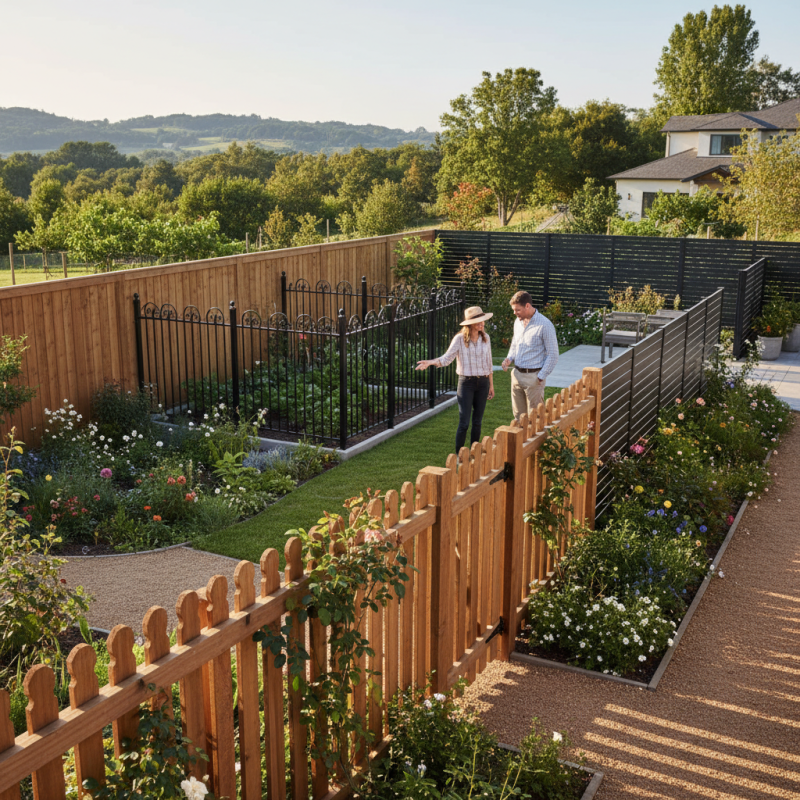
How to Choose the Best Garden Fence Barriers for Your Needs?

Understanding Different Types of Garden Fence Barriers and Their Purposes

When selecting a garden fence barrier, understanding the different types is essential. The primary purpose of a fence can vary. Some are meant to provide security, while others serve as decorative elements. Wooden fences offer a rustic charm, blending well with natural settings. Metal options, like chain-link or wrought iron, excel in durability and security.

Tips for choosing the right type include assessing your specific needs. If your goal is privacy, a solid wooden fence may suit you. For a more open, airy feel, consider a picket fence or a wire option. Do think about maintenance. Wooden fences require regular treatment to prevent rot. Metal fences, on the other hand, may rust over time without proper coating.

Consider your local wildlife. Some fences keep out deer, rabbits, and other critters. Others may not be as effective. Evaluate your garden's needs based on the animals in your area. A fence can break their access to plants, but it won't deter all pests. Think about height too. A taller fence can provide better security but may obstruct views. Balancing functionality with aesthetics is key.

Evaluating Material Choices: Wood, Vinyl, Metal, and Composite Fencing Options

When considering fencing options, the material you choose shapes your garden's aesthetics and functionality. Wood fences remain popular due to their natural appearance. They can last over 20 years with proper care, but they do require regular maintenance. In areas with high humidity, wood is susceptible to rot and pests. Consider this if you live in such regions.

Vinyl fencing is another option that is gaining traction. It offers high durability and requires minimal maintenance. According to industry reports, vinyl can last over 30 years. However, it may not withstand extreme temperatures, leading to brittleness in very cold conditions. Aesthetics vary, and some may find it less appealing than natural wood.

Metal fencing, such as aluminum or wrought iron, provides strength and security. Durable metals resist weather, but they may rust unless coated. Composite materials combine wood and plastic fibers, giving the look of wood with added resilience. While costly upfront, composites can yield long-term savings due to lower maintenance. The decision ultimately hinges on your garden's needs and local conditions. Each material has its pros and cons that deserve careful consideration.

Assessing Height and Design Considerations for Optimal Security and Aesthetics

When choosing a garden fence, consider both height and design. A higher fence can provide better security. It deters intruders and keeps pets contained. However, an excessively tall fence may block sunlight. Balance is key. Select a height that offers privacy while still allowing for light.

Design is equally important. A decorative fence can enhance your garden's aesthetic. Choose materials that complement your existing landscape. Wood, metal, or vinyl can create different moods. However, intricate designs may require more maintenance. Simplicity can often lead to practicality.

Reflect on your needs and preferences. Do you prioritize security over style? Or is it the other way around? These questions will guide your decision. Sometimes, practical choices may seem less appealing but can offer longer-term satisfaction. Aim for solutions that blend functionality with visual appeal.

Analyzing Local Regulations and HOA Guidelines for Fencing Installations

When selecting garden fence barriers, understanding local regulations and HOA guidelines is crucial. These rules dictate height, materials, and aesthetics. Violations can lead to fines or forced modifications. It's essential to check before making any decisions.

Consult your local zoning office. They can provide insights on what is permitted in your area. Researching your HOA's guidelines is equally important. These often include restrictions on colors or styles. Ignoring these can cause unwanted disputes with neighbors.

**Tips:** Always document conversations and request written approvals from your HOA. This protects you from potential issues later on. When in doubt, reach out to a local fencing expert. Their experience can guide you through the process, ensuring compliance and satisfaction.

Calculating Budget and Maintenance Costs for Long-Term Fence Solutions

When considering garden fence barriers, budget and maintenance costs play crucial roles. Start by estimating the initial cost. Different materials like wood, vinyl, or metal vary in price. Budgeting for high-quality materials might seem expensive upfront, but can save money in the long run. Choosing cheaper options could lead to frequent repairs or replacements.

Maintenance costs should not be overlooked. Wooden fences often require regular painting or staining. This upkeep can add up over time. Metal fences, while durable, may need occasional rust treatment. It's essential to factor in these costs when planning your budget.

Reflect on the long-term implications of your choice. A beautiful fence may require more investment for maintenance. Balancing aesthetics with practicality is crucial. Are you willing to pay higher maintenance fees for a visual impact? Understanding your needs and the total financial commitment will guide you in making an informed decision.

How to Choose the Best Garden Fence Barriers for Your Needs? - Calculating Budget and Maintenance Costs for Long-Term Fence Solutions

Fence Type Material Initial Cost ($/ft) Maintenance Cost (Yearly) Lifespan (Years)
Wood Fence Wood 15 50 10
Vinyl Fence PVC 25 20 30
Chain Link Fence Steel 12 30 15
Aluminum Fence Aluminum 20 15 40
Composite Fence Composite Materials 30 10 25

FAQS

: What is the main purpose of a garden fence?

: A garden fence can provide security or serve decorative functions. It depends on your specific needs.

What are the advantages of wooden fences?

Wooden fences offer rustic charm. They blend well with nature but need regular maintenance to prevent rot.

How long can vinyl fences last?

Vinyl fences can last over 30 years with minimal maintenance. They might not hold up in extreme temperatures.

Why is height important when choosing a fence?

A taller fence offers better security but may block views. Balance between aesthetics and functionality matters.

What should I consider regarding local wildlife?

Some fences keep out specific animals like deer and rabbits. Assess which pests affect your garden before deciding.

What are the drawbacks of metal fences?

Metal fences provide strength but may rust unless properly coated. Regular checks are necessary to maintain their condition.

How do composite fences compare to wood?

Composite fences mimic wood's appearance but require less maintenance. They can be more expensive initially, but save money long-term.

Why is maintenance a key concern for wood fencing?

Wood requires regular treatment. In humid areas, it's easier to rot and attract pests, which may lead to constant upkeep.

Are picket fences a good choice for privacy?

No, picket fences provide an open feel but offer limited privacy. Consider solid designs for better seclusion.

What should I evaluate when choosing a fencing material?

Consider aesthetics, durability, and your garden's needs. Each material has pros and cons that require careful thought.

Conclusion

When choosing the best garden fence barriers for your needs, it is essential to understand the various types available and their specific purposes. Common options include wood, vinyl, metal, and composite materials, each offering distinct advantages and aesthetics. Evaluating these materials will help you determine which best suits your garden's security and visual appeal, while also considering factors such as height and design.

Additionally, it's crucial to analyze local regulations and HOA guidelines to ensure compliance with fencing installations. Taking into account your budget and the long-term maintenance costs associated with different fencing solutions will play a vital role in your decision-making process. By carefully assessing these elements, you can select the most suitable garden fence barriers that meet your requirements and enhance your outdoor space.

Isabella

Isabella

Isabella is a dedicated marketing professional with a sharp focus on driving brand growth and engagement through strategic content creation. With an extensive background in digital marketing, she combines her passion for storytelling with her keen understanding of industry trends to deliver......