Building a greenhouse can seem expensive, but it doesn't have to be. Many gardeners dream of creating their own home for plants. However, the cost often prevents them from starting. Learning how to build a greenhouse on a budget opens up possibilities. It's about creativity and resourcefulness.
With a little planning, you can make your dream a reality without breaking the bank. The right materials, like repurposed windows or low-cost plastic sheeting, can save you money. It’s also important to think about your design. Simple structures often work better than complex ones. Each decision counts. You may face challenges along the way, such as lack of space or budget constraints.
Experiment with different designs and materials. This hands-on approach not only saves money but provides valuable experience. Even if your greenhouse isn't perfect, you will gain insights for future projects. Embrace the process, and remember that even small successes are worth celebrating. Your dream greenhouse awaits, and it might be closer than you think.
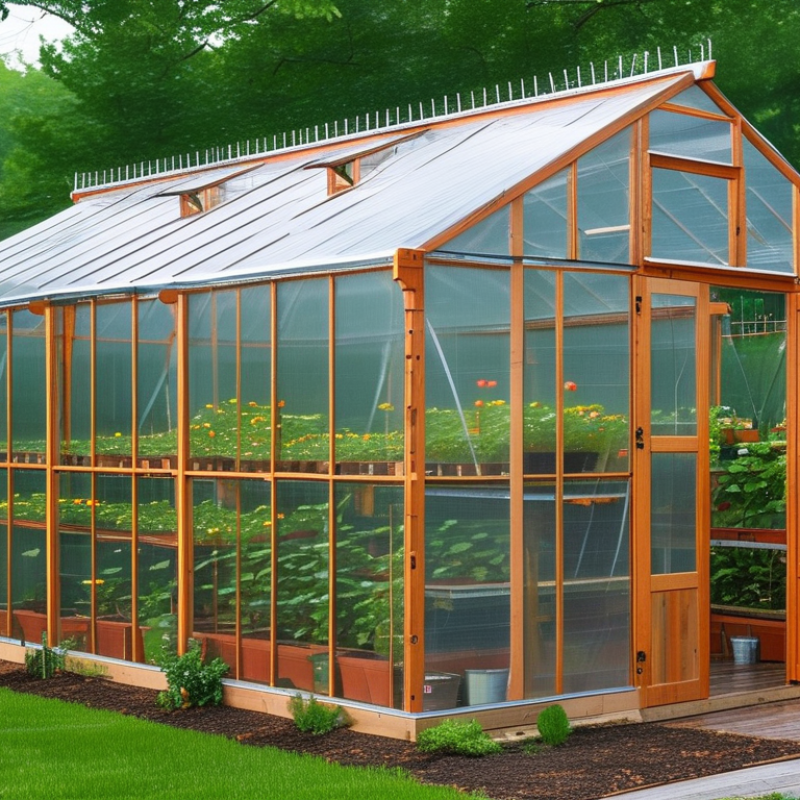
Building your dream greenhouse begins with clear goals and requirements. Are you growing vegetables, herbs, or flowers? Understanding your purpose will guide your design choices. Measure your available space accurately. The right dimensions will help you determine what fits best.
Consider your climate when selecting materials and structures. A greenhouse in a cold area needs strong insulation and heating options. If you live in a warmer region, ventilation becomes crucial.
Don’t forget about budget constraints. Invest in essential features first. Research local building codes; unexpected regulations can affect your plans. One tip is to start small. A modest greenhouse can expand later as you refine your growing techniques. Prioritize functionality over aesthetics, especially in the beginning. A straightforward design can save you money and time. Evaluate your needs regularly and adjust your plans as necessary.
Building a greenhouse doesn’t need to be expensive. It starts with research. Explore various designs suitable for your climate. Understand local weather patterns. A reliable structure is essential for maintaining optimal growing conditions.
Materials impact the overall cost. Polycarbonate panels are durable and effective for insulation. Consider reclaimed wood for framing. It's affordable and eco-friendly. Evaluate options like PVC pipes for a budget-friendly framework. These materials can create a sturdy base without breaking the bank.
Keep aesthetics in mind but prioritize functionality. Sometimes, cheaper designs lack sturdiness. Consider DIY solutions; they can save you money. However, ensure they meet safety standards. A well-constructed greenhouse is a long-term investment. Be prepared for trial and error. Learning through experience often leads to the best solutions.
Creating a realistic budget for your greenhouse project requires careful planning. According to the National Gardening Association, about 35% of gardeners plan a budget before starting their projects. This is crucial for success. Establish your primary goals. What do you want to grow? Will you need heat in winter? These questions impact your budget significantly.
Consider essential elements like materials and layout. A well-designed greenhouse can cost anywhere from $5,000 to $15,000. However, costs vary based on location, size, and materials. Opting for cost-effective options, such as recycled materials or DIY plans, can help manage expenses. Remember, neglecting proper insulation or ventilation can lead to higher utility costs later on.
Review your design periodically. Are there items that stretch your finances too thin? Regularly assessing your budget can reveal oversights or changes you may need to make. Industry studies suggest that nearly 30% of greenhouse projects exceed budget due to unexpected costs. Keep your budget flexible and update it as your project evolves. This proactive approach will keep your greenhouse dreams manageable and achievable.
Building a greenhouse doesn't have to break the bank. Research from the National Gardening Association indicates that nearly 35% of gardeners now grow their own food. This trend underscores the importance of affordable greenhouse solutions. Start by exploring DIY kits. They are often more budget-friendly than fully assembled options. Many kits come with detailed instructions, making them accessible for beginners.
Consider using reclaimed materials. Recycling old windows or doors can significantly reduce costs. A report by the American Society of Landscape Architects highlights that upcycling can cut spending by 30% or more. Additionally, choose greenhouse designs that maximize natural light. A well-placed structure can lessen reliance on artificial heating or cooling systems, creating a more sustainable environment.
Before diving in, reflect on your specific needs. Are you growing vegetables or flowers? This will influence the structure size and type. The average cost of a greenhouse ranges from $100 to $5,000 depending on materials and size. Be aware that unexpected expenses may arise, such as soil amendments or pest management. Keeping a budget-friendly mindset is essential, as flexibility can lead to unexpected growth opportunities.
This bar chart illustrates the estimated cost reduction achieved by implementing various budget tips for building a greenhouse. It showcases how effective solutions can lead to significant savings.
Building your dream greenhouse doesn't have to drain your wallet. DIY options are increasingly popular, allowing homeowners to create personalized spaces while saving money. According to a 2022 report by the National Garden Bureau, nearly 30% of gardeners have opted for DIY projects. This trend highlights the potential for cost savings and creativity.
Local community resources can further enhance savings. Many communities offer workshops focused on gardening techniques and greenhouse construction. Participating in these workshops can provide insights into cost-effective materials and tools. A survey from the American Community Gardening Association found that 80% of community gardeners reported utilizing shared resources to reduce expenses.
Affordable materials can also make a significant difference. Using recycled materials, such as old windows or pallets, is one way to cut costs. However, sourcing these materials may not always be straightforward. It requires time and effort to find the best deals. A balanced approach is essential to ensure structural integrity while maintaining a budget. Consider joining local gardening groups online. These groups frequently share tips on where to find inexpensive supplies, turning the building process into a collaborative effort.
| Tip | Description | Estimated Savings | Resources |
|---|---|---|---|
| Plan Your Design | Sketch out your ideal greenhouse to avoid costly mistakes. | $50 | Online design tools, local workshops |
| DIY Materials | Use recycled or repurposed materials to cut costs. | $200 | Recycling centers, community boards |
| Local Community Resources | Reach out to local gardening groups for advice and materials. | $100 | Community gardens, local forums |
| Seasonal Sales | Shop for materials during off-peak seasons for discounts. | $150 | Local hardware stores, online marketplaces |
| Use Simple Designs | Choose a straightforward design that requires less material. | $75 | DIY blueprints, guides |
| Volunteer Help | Enlist friends or local gardeners to help with the build. | $100 | Community events, gardening clubs |
| Smart Sourcing | Purchase items in bulk or from wholesalers. | $200 | Wholesale suppliers, co-ops |
| Online Deals | Check online for coupons and discounts specific to gardening. | $50 | Gardening websites, coupon aggregators |
| Plan for Energy Efficiency | Incorporate passive heating and cooling into your design. | $100 | Greenhouse design books, forums |
: Identify whether you want to grow vegetables, herbs, or flowers. This guides your design choices.
Use accurate measurements of your yard or garden. This helps determine the appropriate size for your greenhouse.
Cold climates need good insulation, while warmer areas require effective ventilation. Choose materials accordingly.
Focus on essential features first. Start small and expand later as you refine your growing techniques.
A straightforward design can save you money and time. Prioritize what works best for your plants.
Polycarbonate panels, reclaimed wood, and PVC pipes are budget-friendly options that provide durability.
Yes, DIY projects can save money and allow for creativity. Just ensure safety standards are met.
Many communities offer workshops focused on gardening techniques. These workshops provide valuable insights and cost-saving tips.
Finding materials like old windows may take time and effort. It’s important to balance cost and structural integrity.
Online gardening groups share tips on inexpensive supplies, fostering collaboration and support among members.
Building a greenhouse on a budget requires careful planning and resourcefulness. Start by identifying your specific goals and requirements for the greenhouse, which will guide your decisions throughout the process. Research affordable designs and materials that suit both your needs and financial constraints. Creating a realistic budget is essential to avoid overspending and to ensure that all necessary components and installation costs are accounted for.
Additionally, explore cost-effective solutions for installation, such as enlisting help from friends or family, or utilizing local community resources. Consider DIY options that can significantly reduce expenses while allowing you to customize your space. By following these steps, you can successfully learn how to build a greenhouse on a budget, making your dream gardening space a reality without breaking the bank.

Beamer Garden