A productive greenhouse can still hide a serious pest problem. Warm temperatures, tender leaves, and steady moisture create ideal conditions for whiteflies, aphids, thrips, and fungus gnats. This guide explains how to prevent pests in a greenhouse through practical, evidence-based integrated pest management.
Raymond A. Cloyd, a greenhouse pest-management specialist, states, “The goal of an integrated pest management program is to prevent pests from reaching economically damaging levels.” That principle matters. Prevention is more reliable than emergency spraying after leaves curl or flowers become scarred. Inspect incoming plants before they enter the growing area. Keep new plants separate for several days. Clean benches, tools, floors, and empty containers. Repair torn screens and close gaps around doors.
Small details matter.
Place yellow or blue sticky cards near crop height, not against the ceiling. Check them weekly and record insect numbers, plant symptoms, and affected sections. Examine leaf undersides with a hand lens. Look for webbing, sticky honeydew, pale stippling, or larvae in the growing media. Use clean water practices, manage weeds, and avoid excessive nitrogen, which can encourage soft, attractive growth.
Biological controls may help when introduced early and matched to the pest. However, timing can fail, and beneficial insects may not establish. That is worth admitting. No greenhouse remains pest-free forever. Weather shifts, staff changes, and overlooked cuttings can defeat a careful plan. Consistent monitoring, documented decisions, and advice from qualified extension specialists make prevention more dependable. The strongest strategy is not one product. It is a disciplined routine that protects plants before damage becomes visible.
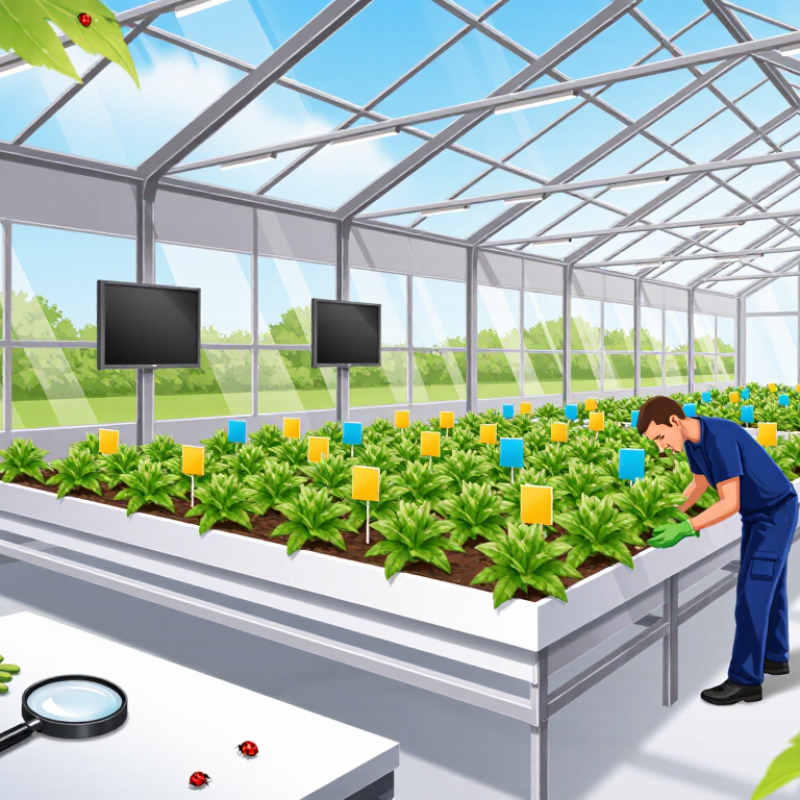
2026 Best Ways to Prevent Pests in a Greenhouse
Greenhouse Pest Risks and Common Entry Points
A greenhouse can look sealed, yet pests enter through small, repeated weaknesses. Whiteflies may arrive on newly purchased seedlings. Fungus gnats often travel in damp growing media. Aphids can enter through vents, doors, clothing, or nearby weeds. Even a single unwashed harvesting crate can carry eggs.
The financial risk is substantial. The FAO’s 2019 plant-health assessment estimated that plant pests destroy up to 40% of global crop production, costing the world economy more than 220 billion dollars annually. These figures are global, not greenhouse-specific. Still, they show why early prevention matters. Inspect plant shipments outdoors. Check leaf undersides, stem joints, trays, and root plugs. Keep doors closed. Repair torn insect screens quickly. I have seen one loose screen become a recurring problem.
Tips: Place sticky cards near entrances, vents, and propagation benches. Record pest counts every week. Clean tools between crop areas. Remove weeds within the greenhouse perimeter. Quarantine incoming plants for several days, even when they appear healthy. Heat, humidity, and crowded benches can hide warning signs. No barrier is perfect. Review the system after every outbreak, because the overlooked entry point is often the most ordinary one.
| Pest or Risk | Typical Entry Point | Common Warning Signs | Potential Impact | Most Effective Prevention | Recommended Monitoring |
|---|---|---|---|---|---|
| Aphids Soft-bodied sap-feeding insects |
Ventilation openings, doors, clothing, tools, plant deliveries, and winged adults carried by air currents | Curling leaves, sticky honeydew, sooty mold, distorted new growth, and clusters on shoot tips | Reduced plant vigor, distorted growth, contamination of foliage, and possible transmission of plant viruses | Inspect incoming plants, screen vents, remove weeds, avoid excessive nitrogen, and release suitable biological controls when needed | Inspect growing points at least weekly; use yellow monitoring cards near vents and crop edges |
| Whiteflies Small flying sap-feeding insects |
Open doors, roof vents, damaged insect screens, weeds near the structure, and infested transplants | Small white adults flying when plants are disturbed, pale nymphs on leaf undersides, honeydew, and yellowing leaves | Sap loss, reduced photosynthesis, sticky fruit or foliage, sooty mold, and potential virus spread | Maintain intact fine-mesh screens, quarantine new plants, control weeds, and remove heavily infested material | Place yellow cards at entrances and along perimeter rows; check adults and immature stages weekly |
| Thrips Tiny insects that feed in flowers and young tissue |
Flowering weeds, plant shipments, workers, tools, ventilation openings, and small gaps around doors | Silvery streaks, distorted leaves, flower damage, black fecal spots, and scarring on fruit or petals | Cosmetic damage, reduced flower quality, poor fruit set, and transmission of some plant viruses | Remove flowering weeds, use insect-exclusion screens, limit unnecessary plant movement, and apply an integrated biological-control program | Use blue or yellow sticky cards; inspect flowers and growing points twice weekly during high-risk periods |
| Spider Mites Microscopic or very small mites favored by hot, dry conditions |
Infested cuttings, clothing, tools, plant debris, and movement between dry crop areas | Fine stippling, bronzed leaves, webbing in severe cases, and mites or eggs on leaf undersides | Rapid loss of leaf function, premature leaf drop, weakened plants, and reduced yield | Reduce plant stress, manage dust, avoid unnecessary broad-spectrum pesticide use, and isolate infested zones | Check lower leaf surfaces weekly with a hand lens; increase inspections during hot, dry weather |
| Fungus Gnats Small flies associated with moist growing media |
Infested potting media, drains, standing water, floor debris, open doors, and decaying organic matter | Small black flies near media, larvae in the root zone, weak seedlings, and root injury | Poor root development, damping-off risk, reduced transplant quality, and secondary root infections | Avoid overwatering, improve drainage, remove algae and plant debris, sanitize trays, and use clean growing media | Place yellow cards just above the media; inspect media moisture and roots weekly |
| Leafminers Fly larvae that tunnel inside leaves |
Infested transplants, open vents, doors, weeds, and plant waste left near the crop | Serpentine mines, blotches inside leaves, visible larvae, and small puncture marks made by adults | Reduced photosynthetic area, lower plant quality, and increased risk of secondary infection through damaged tissue | Purchase inspected plants, remove mined leaves promptly, manage weeds, and keep discarded foliage away from entrances | Inspect new leaves and transplants weekly; use sticky cards to detect adult activity |
| Slugs and Snails Moisture-loving mollusks |
Door thresholds, floor drains, cracks, wet perimeter vegetation, pallets, and plant material stored outdoors | Irregular feeding holes, slime trails, damaged seedlings, and fresh feeding at night | Seedling loss, damaged leaves and fruit, contamination, and uneven crop establishment | Remove hiding places, repair floor gaps, control weeds around the structure, improve drainage, and reduce nighttime surface moisture | Inspect after irrigation or at dusk; use boards or shelters as monitoring stations |
| Broad Entry and Cross-Contamination Risk Movement of pests through people, equipment, and materials |
Unscreened vents, open doors, damaged glazing, shared tools, carts, reusable trays, clothing, and untreated deliveries | Pests appearing near entrances, repeated outbreaks after deliveries, or a gradual spread along worker routes | Rapid spread between growing zones, higher management costs, crop losses, and interrupted production schedules | Create a clean transition area, keep doors closed, repair screens, clean tools, separate quarantine space, and restrict unnecessary traffic | Review traps and inspection records by zone every week; investigate every new detection immediately |
| Weeds and Plant Debris Reservoirs for insects, mites, and pathogens |
Perimeter vegetation, greenhouse corners, drainage channels, compost piles, and discarded crop material | Pests present before crop planting, insects concentrated around weeds, and volunteer plants carrying symptoms | Continuous reinfestation, concealed breeding sites, and greater difficulty identifying the original pest source | Maintain a weed-free buffer, remove plant waste daily or place it in sealed containers, and sanitize empty zones between crops | Conduct a perimeter and interior sanitation walk at least weekly |
| Excess Humidity and Standing Water Environmental conditions that support pests and disease |
Over-irrigated beds, blocked drains, leaking lines, wet floors, and poor air circulation | Persistent condensation, algae, wet media, fungus gnat activity, and slow-drying foliage | Higher risk of root problems, damping-off, fungus gnats, and weakened plants that are more vulnerable to pests | Schedule irrigation according to crop needs, maintain drainage, improve air movement, and avoid wetting foliage late in the day | Record temperature and relative humidity; inspect irrigation and drainage systems weekly |
| Infested Plant Deliveries A major source of accidental introduction |
New seedlings, cuttings, ornamental plants, reused trays, shipping containers, and untreated growing media | Pests or eggs on leaf undersides, damaged foliage, sticky residue, webbing, mines, or inconsistent plant growth | Introduction of difficult-to-control populations and spread before symptoms become obvious | Inspect every shipment, isolate new plants for observation, use clean containers, and reject or segregate questionable material | Inspect on arrival and again during quarantine; document source, date, crop, and pest findings |
Pests may arrive on seedlings, damp growing media, clothing, weeds, vents, or open doors. Small gaps matter. Even an unwashed crate can carry eggs. Inspect incoming plants outdoors before they enter.
Examine leaf undersides, stem joints, trays, and root plugs carefully. Look for sticky residue, curled leaves, webbing, or moving insects. Keep questionable plants separate for several days. Healthy-looking plants can still hide pests.
Place sticky cards near entrances, vents, and propagation benches. Check them weekly and record pest numbers. Replace dusty or full cards. Rising counts can reveal trouble before visible damage appears.
Remove weeds, fallen leaves, and spilled growing media each day. Keep aisles dry and uncluttered. Clean trays and sanitize tools between plant groups. Wash hands after handling infested plants. It sounds basic. It is often missed.
Check temperature and humidity at canopy level, where plants actually grow. High humidity, wet leaves, standing water, and poor airflow increase problems. Water the root zone early. Allow foliage to dry before evening.
Walk every row twice weekly with a hand lens. Inspect leaf undersides, stems, vents, drains, and unused trays. Record pests, weather, watering, and plant symptoms. My own schedule was too optimistic during busy harvest weeks.
Start with the least disruptive option, such as removing pests, pruning affected tissue, improving airflow, or using approved biological controls. Avoid immediate spraying. Review the evidence first.
Follow the product label, local requirements, protective equipment guidance, and re-entry instructions. Test a small area before wider use. Never increase the dose because results seem slow. Protect helpful insects, keep records, and reconsider the plan afterward.
Preventing pests in a greenhouse requires a combination of thoughtful design, consistent sanitation, and early action. This guide explains how to prevent pests in a greenhouse by identifying common risks and entry points, such as vents, doors, cracks, contaminated tools, and newly introduced plants. Physical barriers, sealed gaps, clean work areas, and controlled access can reduce the chances of insects and diseases entering the growing space.
Healthy growing conditions also play an important role. Proper watering, airflow, humidity, spacing, and plant nutrition can reduce stress and make plants less vulnerable. Regular inspections help growers recognize warning signs, including leaf damage, discoloration, sticky residue, and visible insects, before problems spread. Finally, an integrated pest management approach combines monitoring, prevention, biological controls, and carefully selected treatments when necessary. Using the least disruptive option first supports plant health, protects beneficial organisms, and keeps greenhouse production safer and more sustainable.

 Beamer Garden