Best Soil Mix for Raised Beds What Do You Need to Know?

Time:2026-05-19 Author:Charlotte
0%

Creating the perfect garden starts with understanding what is the best soil mix for raised beds. A quality soil mix can significantly impact plant growth, ensuring that your vegetables and flowers thrive. It's essential to provide a balanced blend of nutrients, drainage, and aeration.

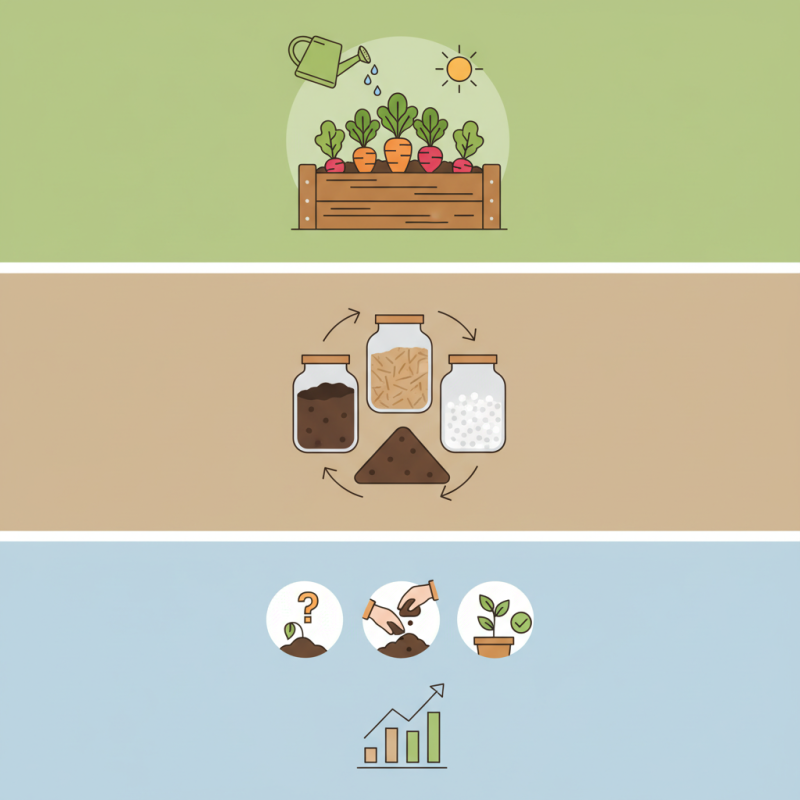
When choosing a soil mix, consider your plants' specific needs. Different plants have varying requirements for moisture and nutrients. A common approach includes a mixture of compost, peat moss, and vermiculite or perlite. This combination promotes both drainage and moisture retention.

However, not all mixes may suit your local climate or garden conditions. You might find that your raised bed soil needs adjustments over time. Observing plant health can guide your soil amendments. Experimenting with ratios may also lead to better results. The journey to the right soil mix is often a process of trial and error.
Best Soil Mix for Raised Beds What Do You Need to Know?

Understanding the Importance of Soil Mix for Raised Beds

The soil mix in raised beds is crucial for healthy gardening. Good soil provides essential nutrients for plants. It facilitates water drainage and aeration. Without a proper mix, plants may struggle to thrive. Each component in the soil serves a specific purpose.

Organic matter like compost improves soil structure. It boosts nutrient content and helps retain moisture. A blend of loamy soil, perlite, and peat moss is commonly recommended. This combination ensures the right balance of drainage and fertility. However, mixing the perfect soil can take time and experimentation. It’s essential to adjust based on plant needs and local climate conditions.

Be aware that choosing a soil mix is not a one-size-fits-all solution. You may face challenges and failures. Poor mixes can lead to root rot or nutrient deficiency. Gardening often requires patience and reflection. Understanding the complexities of soil can elevate your gardening experience. While it’s easy to overlook soil quality, it truly impacts your garden's health.

Essential Components of an Ideal Soil Mix for Raised Beds

Creating the perfect soil mix for raised beds is essential for healthy plant growth. A well-balanced blend incorporates three key components: topsoil, compost, and a drainage material. Topsoil provides the foundational structure for your crops, while compost enriches the soil with nutrients and beneficial microbes. This combination fosters robust root systems and vibrant plant life.

Drainage materials such as perlite or coarse sand are equally important. They prevent soil compaction and ensure adequate aeration. Compacted soil can hinder root growth. Each mix can be adjusted based on the specific plants you wish to grow. For instance, root vegetables may require a lighter mix to penetrate the soil easily.

It's crucial to consider the source of your components. Quality topsoil can vary significantly. Some may contain contaminants or lack essential nutrients. Compost should be well-aged, making it safe for planting. Mixing these elements requires careful thought and consideration. Balancing soil qualities can be a trial-and-error process. Soil testing can help identify deficiencies, guiding adjustments in your mix for optimal plant health.

Best Soil Mix for Raised Beds: What Do You Need to Know?

Component Description Recommended Ratio (%)
Topsoil The base of most soil mixes, providing essential nutrients. 40%
Compost Adds organic matter and beneficial microorganisms. 30%
Peat Moss Improves moisture retention and soil structure. 20%
Perlite or Vermiculite Enhances drainage and aeration in the soil mix. 10%

How to Create Your Own Custom Soil Mix for Raised Beds

Creating your own custom soil mix for raised beds can be a rewarding experience. Start by understanding your plant's needs. Each plant thrives in specific soil types. A good mix should balance drainage, moisture retention, and nutrients. This can be tricky.

Consider using a base of quality topsoil, which provides a foundation. Mix in compost to enrich the soil. Compost introduces beneficial microorganisms that support plant growth. Adding peat moss can improve moisture retention. It’s light and helps aerate the soil. However, too much peat can lead to dry spots.

Don’t forget about perlite or vermiculite. Both materials enhance drainage. They prevent soil compaction, which can choke plant roots. Test your mix before planting. Observe how it holds moisture. Adjust ratios based on results. Soil health is not static. It requires ongoing refinement to achieve the best results.

Common Mistakes to Avoid When Mixing Soil for Raised Beds

When mixing soil for raised beds, many gardeners overlook key mistakes that can lead to poor plant growth. A common error is using only garden soil. While it seems convenient, garden soil often lacks necessary drainage and aeration. According to a study from the University of Massachusetts, raised beds benefit from a soil mix that includes compost, peat moss, and perlite. This combination ensures proper moisture retention while allowing excess water to drain.

Another common mistake is neglecting pH levels. A balanced pH between 6.0 and 7.0 promotes optimal nutrient availability. A report from the National Gardening Association highlights that 73% of gardeners do not test soil pH, which can hinder plant growth. Using additives to correct the pH is essential for success.

Over-compacting the soil is also a frequent pitfall. Dense soil restricts root growth and air movement. Allowing a light, loose mix encourages healthy root development. Visual signs, like poor germination or stunted growth, are often clues that something is off. Observing and adjusting your mix based on these factors can lead to much healthier plants.

Maintaining Soil Quality in Raised Beds: Tips and Tricks

Maintaining soil quality in raised beds is crucial for healthy plants. Start with regular testing of your soil. This helps identify nutrient deficiencies or pH imbalances. You can use simple home test kits from garden stores. Monitoring soil moisture is also key. Overwatering can lead to root rot, while underwatering stresses plants.

Adding organic matter enhances soil structure. Compost is an excellent choice. It improves drainage and nutrient content. You may encounter issues with compacted soil over time. Loosening the soil with a garden fork can help aerate it. Consider rotating your crops each season to prevent nutrient depletion. This practice keeps the soil healthy and reduces pest problems.

Mulching is another effective technique. It helps retain moisture and reduce weed growth. Use natural materials like straw or wood chips. Observing the soil and plants can reveal much. Look for changes in color or texture. These signs can guide your maintenance efforts. Soil care requires attention and adjustment. Embrace the learning process, and your raised beds will thrive.

FAQS

: Why is soil mix important for raised beds?

: A good soil mix provides nutrients, water drainage, and aeration for healthy plant growth.

What are the key components of an ideal soil mix?

An effective mix includes topsoil, compost, and drainage materials like perlite or coarse sand.

How does organic matter affect soil?

Organic matter, like compost, improves soil structure and retains moisture while boosting nutrients.

Can I use any topsoil for my mix?

No, quality of topsoil varies. Some may contain contaminants or lack essential nutrients.

How can I tailor my soil mix for specific plants?

Adjust the mix based on your plants' needs. Root vegetables may require lighter soil for easier penetration.

What mistakes should I avoid when mixing soil?

Avoid poor-quality components. Too much peat can create dry spots, hindering plant growth.

Is creating a custom soil mix complex?

Yes, it often requires experimentation and careful thought. Soil health is dynamic and needs adjustment.

How do I know if my soil mix is effective?

Test how it holds moisture. Observe plant growth and make adjustments based on their health.

What common challenges do gardeners face with soil mixes?

Many encounter issues like root rot or nutrient deficiency due to poor soil choices.

How long does it take to perfect a soil mix?

It varies, as finding the right balance can take time and reflection based on results.

Conclusion

When considering what is the best soil mix for raised beds, it is essential to understand that a well-balanced soil mix is key to healthy plant growth. An ideal soil mix typically consists of a blend of high-quality compost, peat moss, and perlite or vermiculite, which together provide proper drainage, nutrient retention, and aeration. Creating your own custom soil mix allows you to tailor the components according to the specific needs of your plants.

It is also important to avoid common mistakes such as using soil directly from the garden, which may not be suitable for raised beds, or neglecting to amend the mix regularly. To maintain soil quality over time, consider adding organic matter or mulch to promote soil health, and test your soil periodically to ensure it meets the nutrient requirements of your plants. By following these guidelines, you can create and sustain an ideal environment for flourishing garden beds.

Charlotte

Charlotte

Charlotte is a seasoned marketing professional with a deep understanding of the company's portfolio and a passion for elevating its presence in the market. With a keen eye for detail and a commitment to excellence, she ensures that our professional blog is regularly updated with insightful articles......